

Follow Scott
Recent Tweets
- Waiting for Twitter... Once Twitter is ready they will display my Tweets again.
Latest Photos
Search
Tags
anniversary Balticon birthdays Bryan Voltaggio Capclave comics Cons context-free comic book panel conventions DC Comics dreams Eating the Fantastic food garden horror Irene Vartanoff Len Wein Man v. Food Marie Severin Marvel Comics My Father my writing Nebula Awards Next restaurant obituaries old magazines Paris Review Readercon rejection slips San Diego Comic-Con Scarecrow science fiction Science Fiction Age Sharon Moody Stan Lee Stoker Awards StokerCon Superman ukulele Video Why Not Say What Happened Worldcon World Fantasy Convention World Horror Convention zombies




Olivia Waite
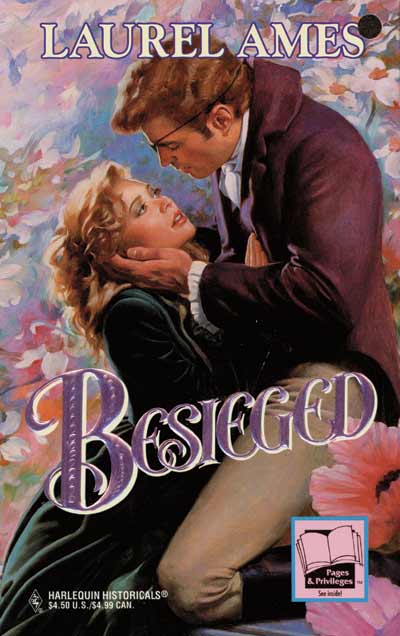
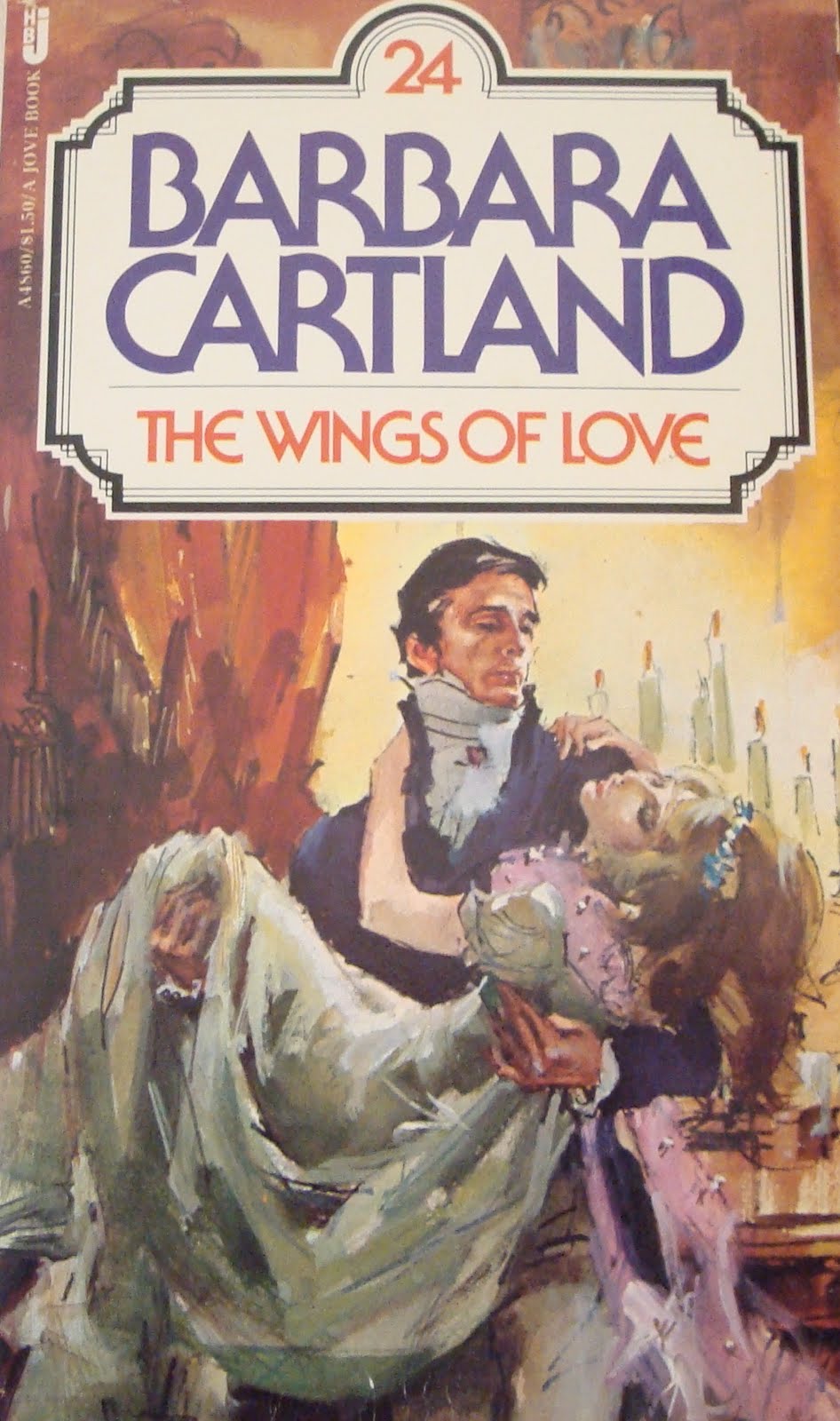
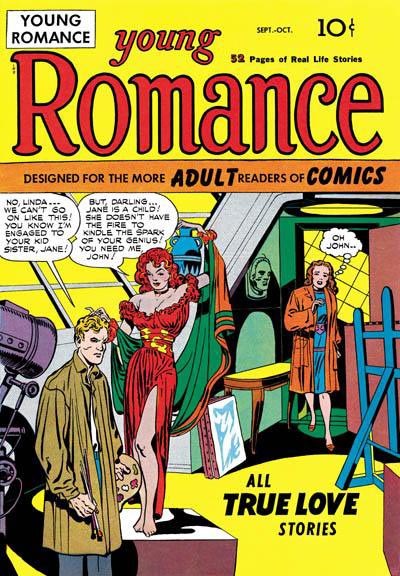
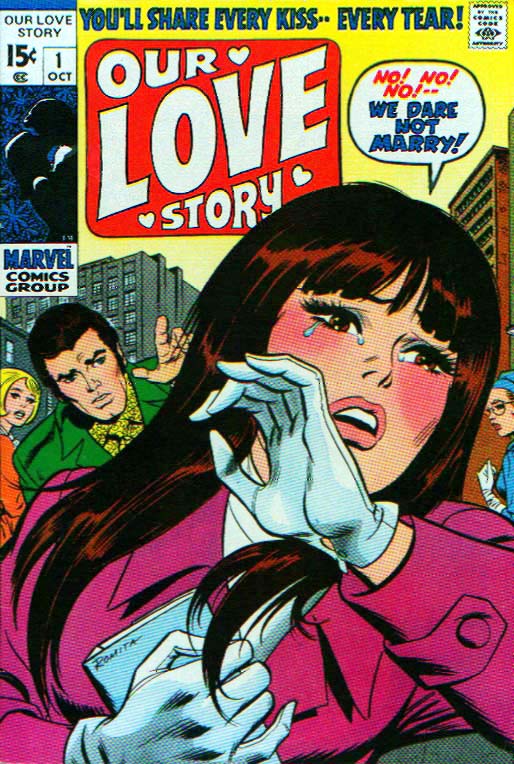
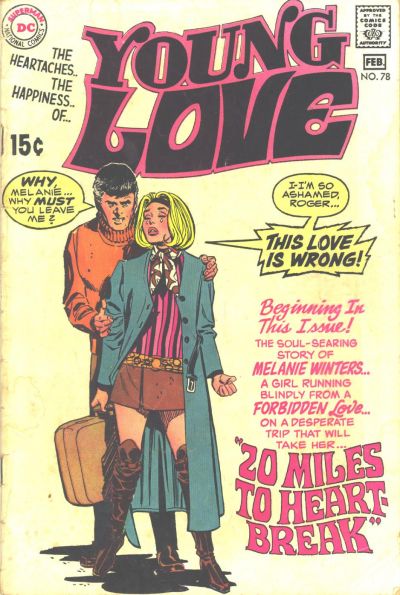
Geeky romance novelist here. 🙂 As far as I know, romance novels’ distinctive clinch covers (the wind-in-the-hair, half-naked embraces) were designed to sell not to the reader, but to the (usually male) purchasing agent for a book distributor. Over time these images became a code, so that now even modern self-published authors (who don’t have the same distribution bottleneck) use gowns and hair and half-naked embraces so the reader can recognize the story as a romance. I don’t know as much about romance conics, but it seems to me that the covers focus on a dramatic point in the story more than on implied sex — story is much more likely to be a selling point to the reader, who is much more personally invested in the contents of a book than a distributor is.
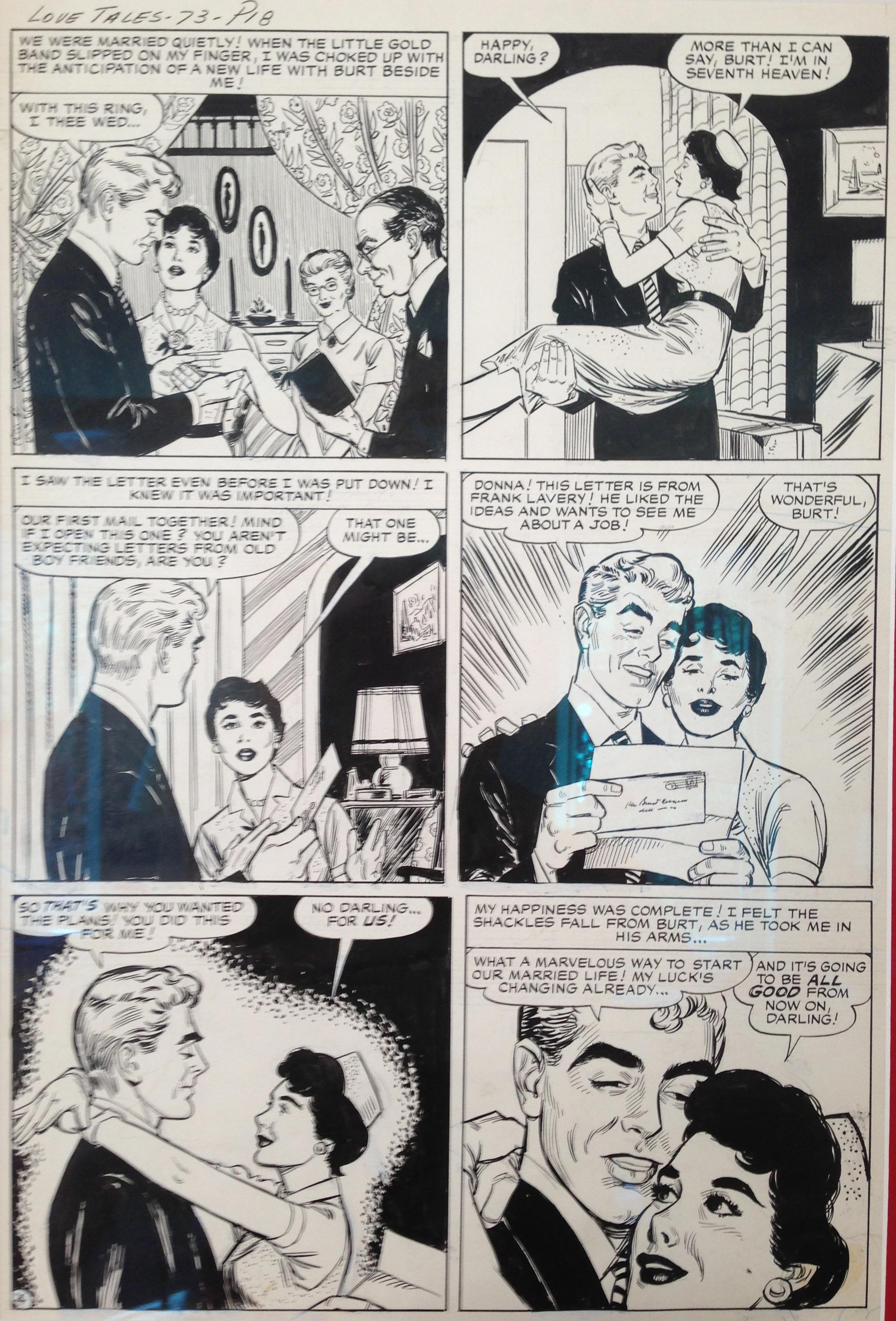
There’s probably also something to be sald for the different marketing strategies at play in the 30s, 40s, and 50s (for romance comics) and the 60s, 70s, 80s, and on (when romance novels came into their own).