
Scott Edelman
  • Home
  • Blog
  • About
  • Writing
    • Short Fiction
    • Books
    • Comic Books
    • Television
    • Miscellaneous
  • Editing
  • Podcast
  • Contact
  • Videos

©2026 Scott Edelman

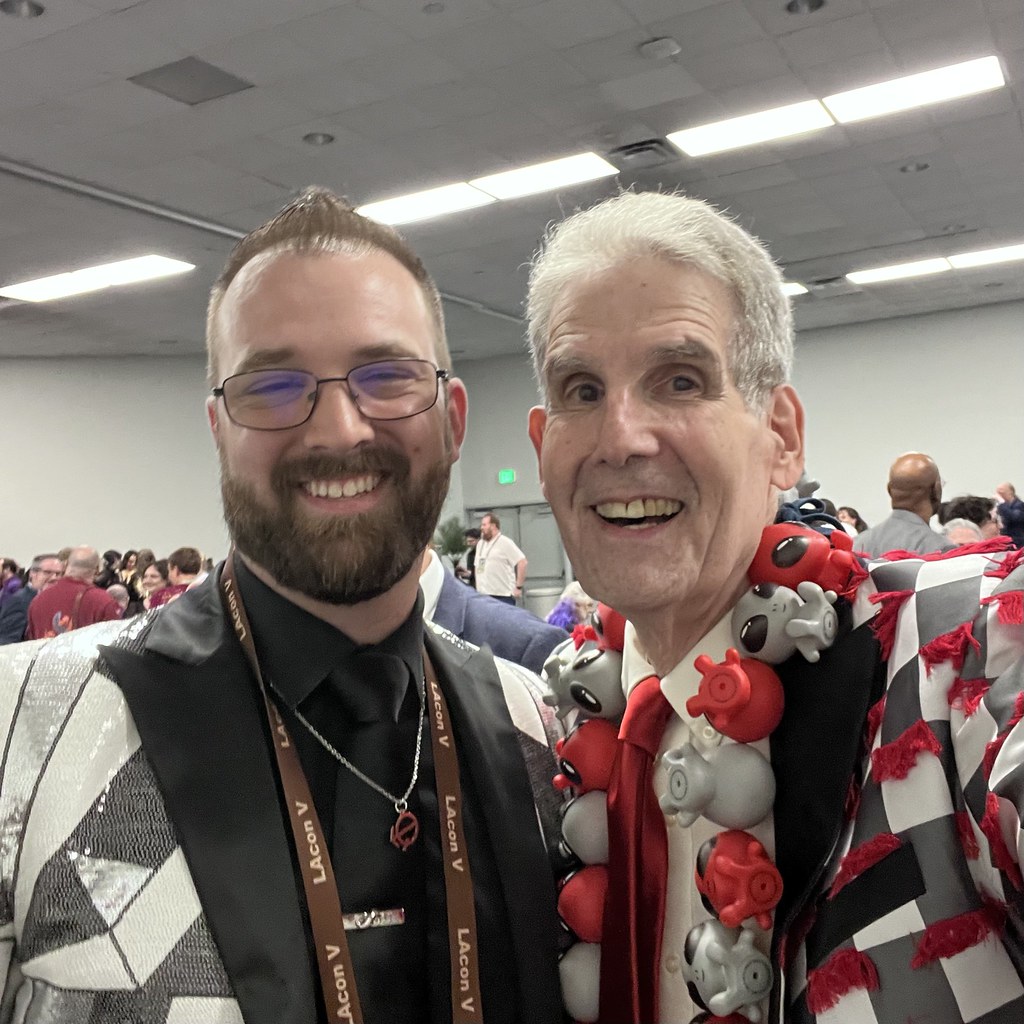
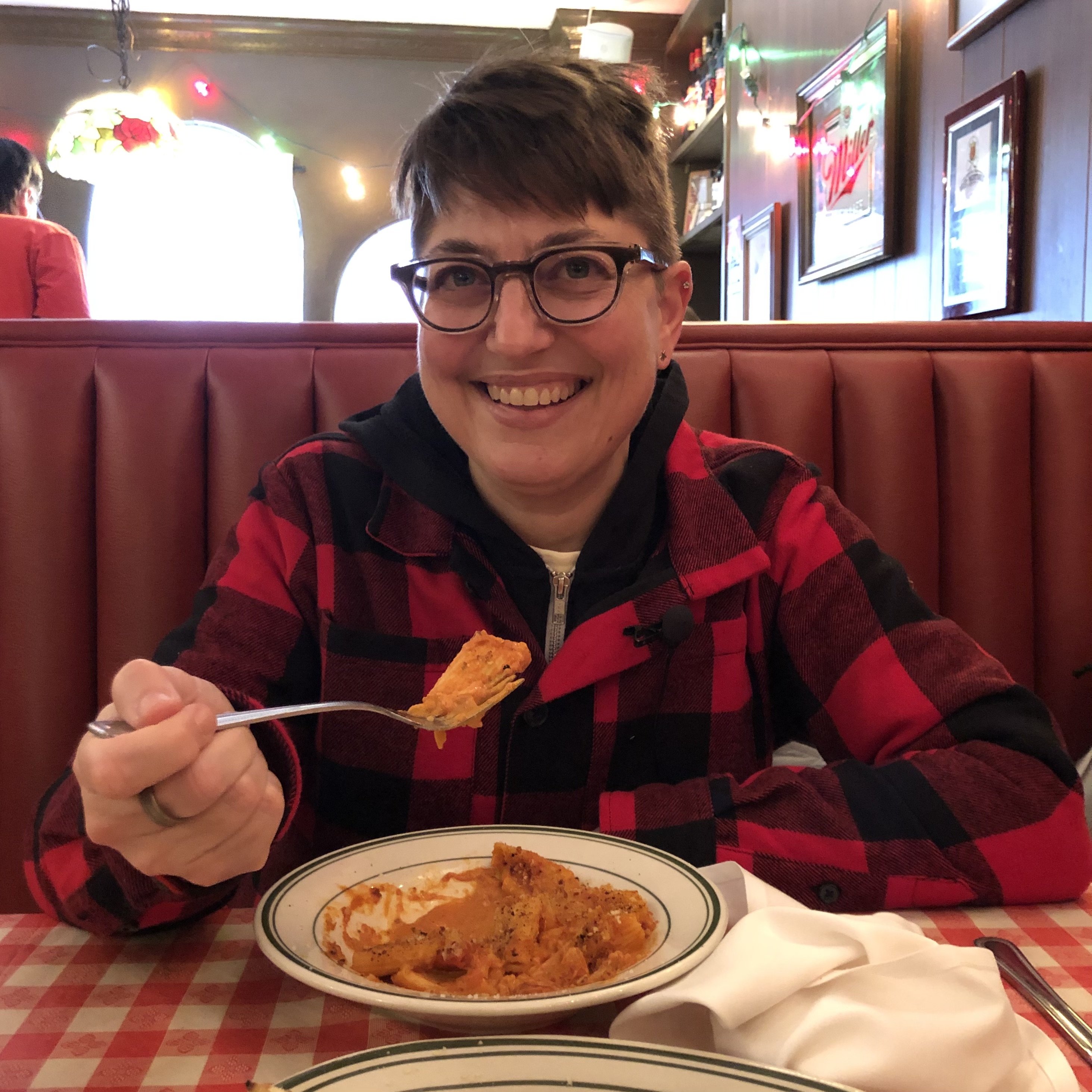
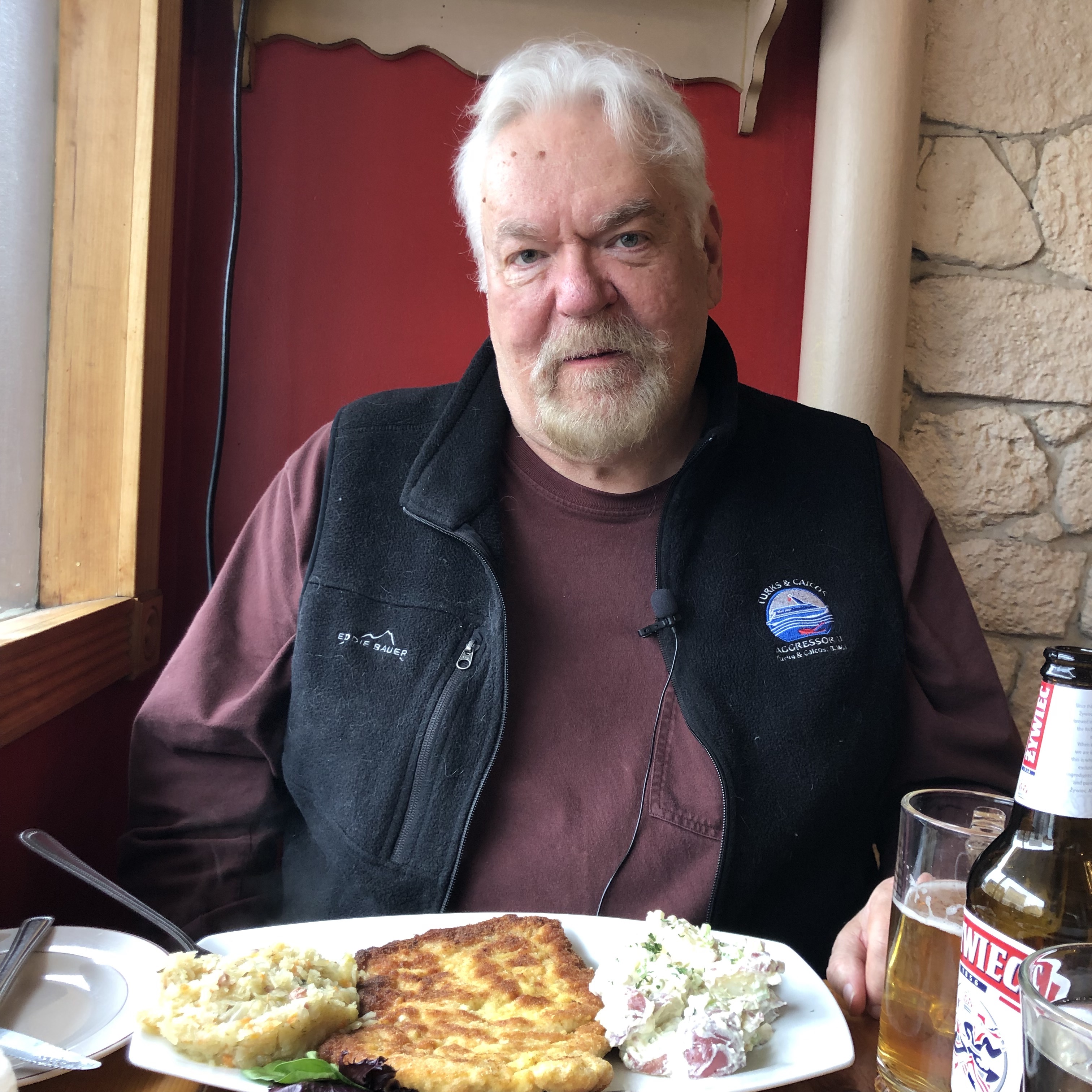
Munch Carnitas Benedict with the award-winning Michael Swanwick in Episode 184 of Eating the Fantastic

Posted by: Scott    Tags:  Eating the Fantastic, Michael Swanwick    Posted date:  November 4, 2022  |  No comment


Out in the flesh and blood world, the 80th World Science Fiction Convention is long over, but here at Eating the Fantastic — where I’ve already invited you to eavesdrop on my meals there with Wesley Chu, Carol Tilley, and Eileen Gunn — it lives on. This time around, for the fourth of six culinary conversations I managed to find time for during a busy Worldcon, I invite you to join me for brunch with Michael Swanwick

Michael has won five Hugo Awards and three Locus Awards, as well as a Nebula, World Fantasy, and Theodore Sturgeon Memorial Award — plus has been nominated for and lost more of these major awards than any other writer. His novels include Vacuum Flowers, Stations of the Tide, and Bones of the Earth, plus his most recent, City Under the Stars, a novel co-authored with the late Gardner Dozois. He’s also published a baker’s dozen of short story collections over the past three decades, starting with Gravity’s Angels in 1991 and most recently Not So Much Said the Cat in 2016, as well as the 118 short stories included in The Periodic Table of Science Fiction, one per each element. His recent novel The Iron Dragon’s Mother completed a trilogy begun with The Iron Dragon’s Daughter in 1993, which was named a New York Times Notable Book. Two of his short stories — “Ice Age” and “The Very Pulse of the Machine” — were adapted for the Netflix series Love, Death + Robots.

We discussed his response to learning a reader of his was recently surprised to find out he was still alive, how J. R. R. Tolkien turned him into a writer, why it took him 15 years of trying to finally finish his first story, how Gardner Dozois and Jack Dann taught him how to write by taking apart one of his tales and putting it back together again, why it was good luck he lost his first two Nebula Awards the same year, the good advice William Gibson gave him which meant he never had to be anxious about awards again, which friend’s story was so good he wanted to throw his own typewriter out the window in a rage, the novel he abandoned writing because he found the protagonists morally repugnant, why he didn’t want to talk about Playboy magazine, the truth behind a famous John W. Campbell, Jr./Robert Heinlein anecdote, and much more.

Here’s how you can join us — (more…)

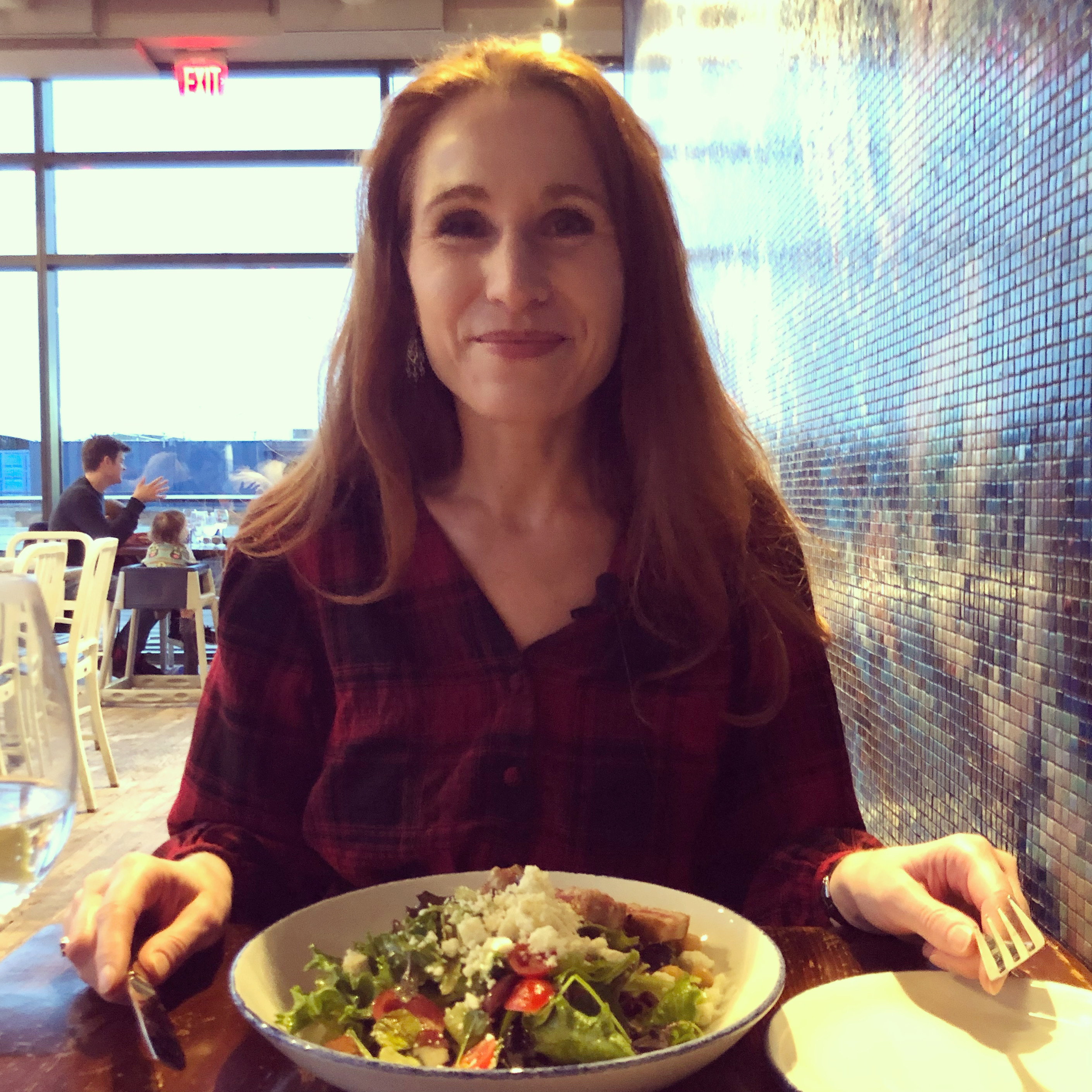
Dig into dim sum with the Nebula Award-winning Eileen Gunn in Episode 193 of Eating the Fantastic

Posted by: Scott    Tags:  Eating the Fantastic, Eileen Gunn, Worldcon    Posted date:  October 21, 2022  |  No comment


Welcome back to another culinary conversation from the 80th World Science Fiction Convention, where you’ve already joined me for brunch with Wesley Chu and lunch with Carol Tilley.

My guest this time around is Eileen Gunn, who received the Nebula Award in 2005 for “Coming to Terms,” a story inspired, in part, by her friendship with Avram Davidson, about whom she’s working on a biography. She also won Japan’s Sense of Gender Award, and has been nominated for the Hugo, Philip K. Dick, Locus, and Tiptree awards. Her short story collections include Stable Strategies and Others (2004), Questionable Practices (2014), and most recently Night Shift Plus … , out earlier this year as part of the PM Press Outspoken Authors Series. From 2001-2008, she was editor and publisher of the influential webzine The Infinite Matrix. She served for 22 years on the board of directors for Clarion West, and taught there and at numerous other creative writing workshops. She also had a lengthy career in technical advertising and website management in Boston, Seattle, and New York.

We discussed how it’s possible to write when you always have writers block, the Ursula K. Le Guin story which convinced her she could have a career in science fiction, the two most important things she wants aspiring writers to know, her early advertising career writing funny ads for shoes she didn’t like, the reason she believes “I don’t decide what the story is until after I’ve finished it,” which famous science fiction writer wrote the box copy for Screaming Yellow Zonkers, the question Kate Wilhelm asked her at Clarion which unlocked the unknown ending of a story in progress, the way her years in the ad business helped her become a better writer, how Carol Emshwiller made her a person of interest with a sheriff’s department, what she said on a Worldcon panel which was so outrageous the audience had to be told she was joking, how Psychology Day magazine was almost sued over Frankenstein because they didn’t listen listen to my advice, and much more.

Here’s how you can join us at Chicago’s MingHin cuisine — (more…)

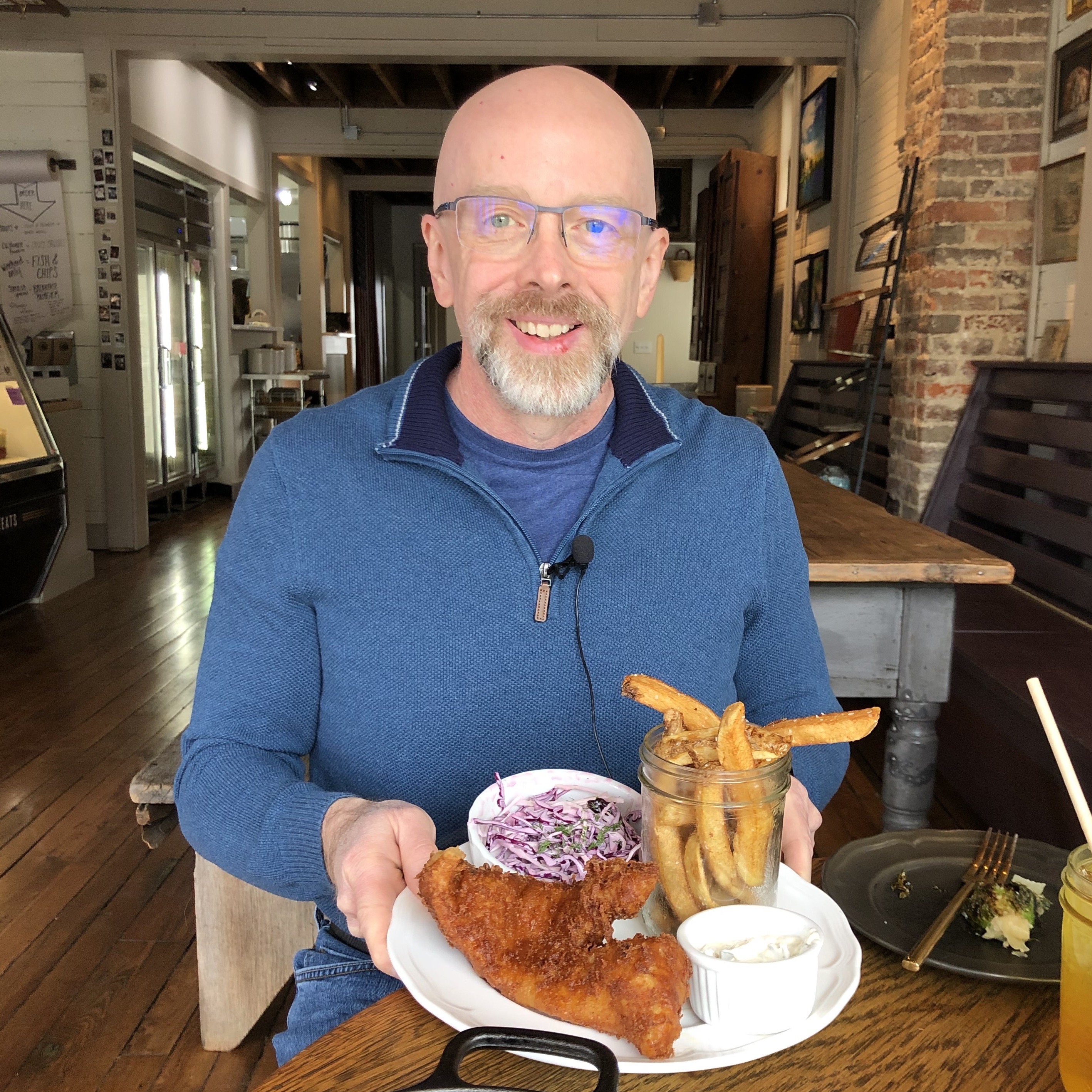
Come to Chicago for lunch with Carol Tilley in Episode 182 of Eating the Fantastic

Posted by: Scott    Tags:  Carol Tilley, Eating the Fantastic    Posted date:  October 5, 2022  |  No comment


It’s time to head back to Chicago for the second of six episodes recorded over the Labor Day weekend at the 80th World Science Fiction Convention, following Episode 181’s brunch chat with Wesley Chu.

This episode’s guest is Carol Tilley, a professor in the School of Information Sciences at the University of Illinois who teaches and writes about comics, libraries, reading, and censorship. We first met six years ago when she was in D.C. to deliver a presentation at the National Archives titled “Dear Sirs: I Believe You’re Wasting Your Time,” during which she shared what she learned about comics readers of the ‘50s while researching the records of the Senate Judiciary Committee’s Subcommittee on Juvenile Delinquency. In her role as a comics historian, she’s made numerous visits to D.C. over the years to research at the Library of Congress and National Archives for  a biography of Fredric Wertham, whose attacks on sex and violence in comics, and particularly his infamous book Seduction the Innocent, helped bring about the Comics Code.

She was interested not just in the inner workings of Wertham — who comics fans, when I first entered fandom, considered a bigger villain than Doctor Octopus and Lex Luthor rolled into one — but also in the experiences of those who read, drew, and engaged with comics in the US during the ’30s-’50s. She came to Worldcon to share what’s she’s learned, and was also going to speak on a panel about the renewed attack on books and curriculum in schools across the U.S.

We discussed how we each first learned about the Comics Code, the mostly forgotten rich kid origins of Blondie‘s Dagwood Bumstead, the unsettling inconsistencies she discovered while going through 200 boxes of Fredric Wertham’s papers, what those documents reveal about how he came to believe what he came to believe, what it means to research with the brain of an historian, the proper pronunciations of Potrzebie and Mxyzptlk, her efforts to track down those who wrote letters to the Senate protesting comic book censorship during the ’50s (including one of the founders of the Firesign Theater), the enduring power of EC’s “Judgment Day,” why she believed comic book censorship would have occurred even without Wertham’s input, what she thinks he’d make of today’s comics, how Wertham felt about the way comic book fans felt about him, and much more.

The setting for this episode was The Purple Pig, a restaurant I hadn’t been to since the last time Worldcon was in Chicago, way back in 2012.

Here’s how you can join us there — (more…)

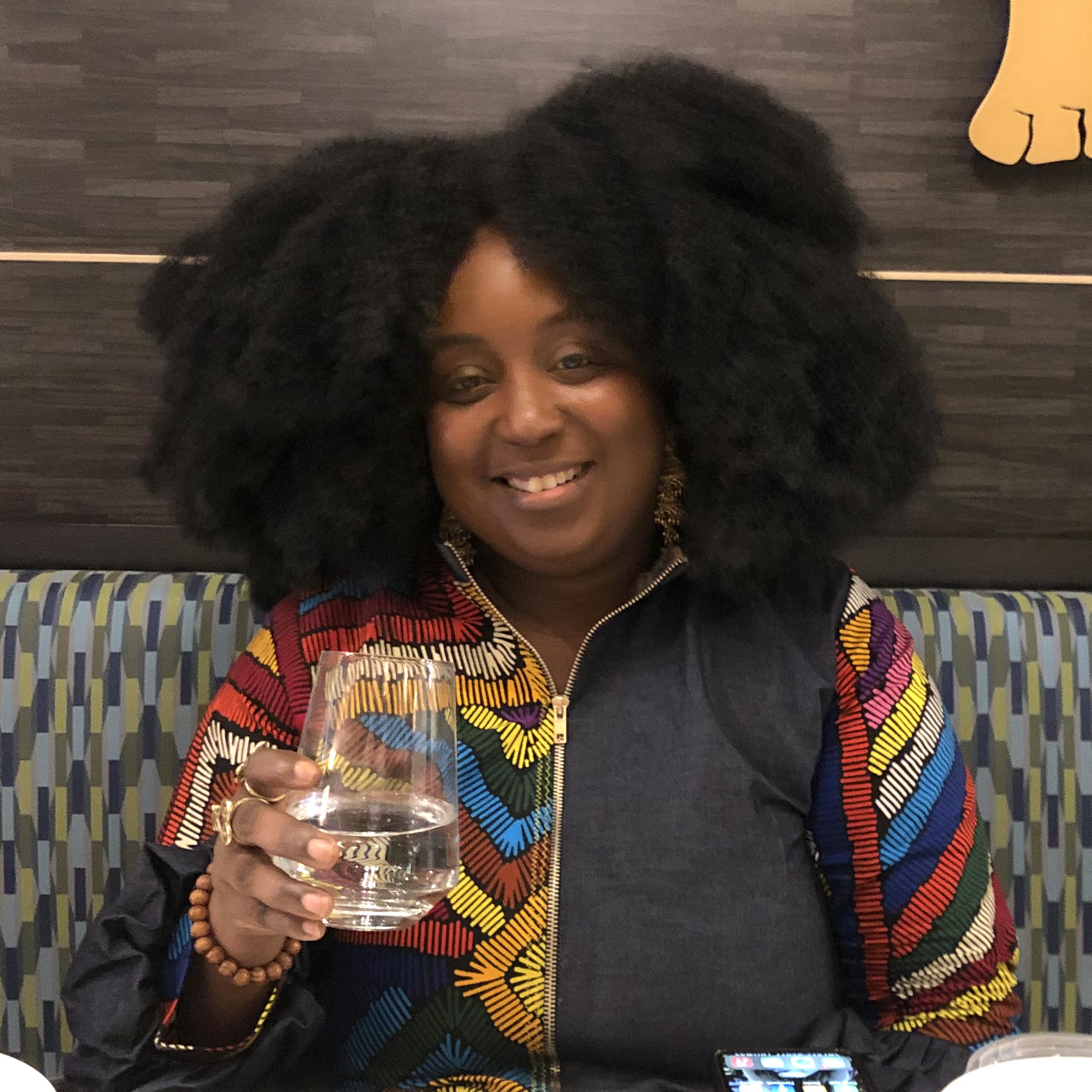
Chow down with Wesley Chu in Episode 181 of Eating the Fantastic

Posted by: Scott    Tags:  Eating the Fantastic, Wesley Chu    Posted date:  September 23, 2022  |  No comment


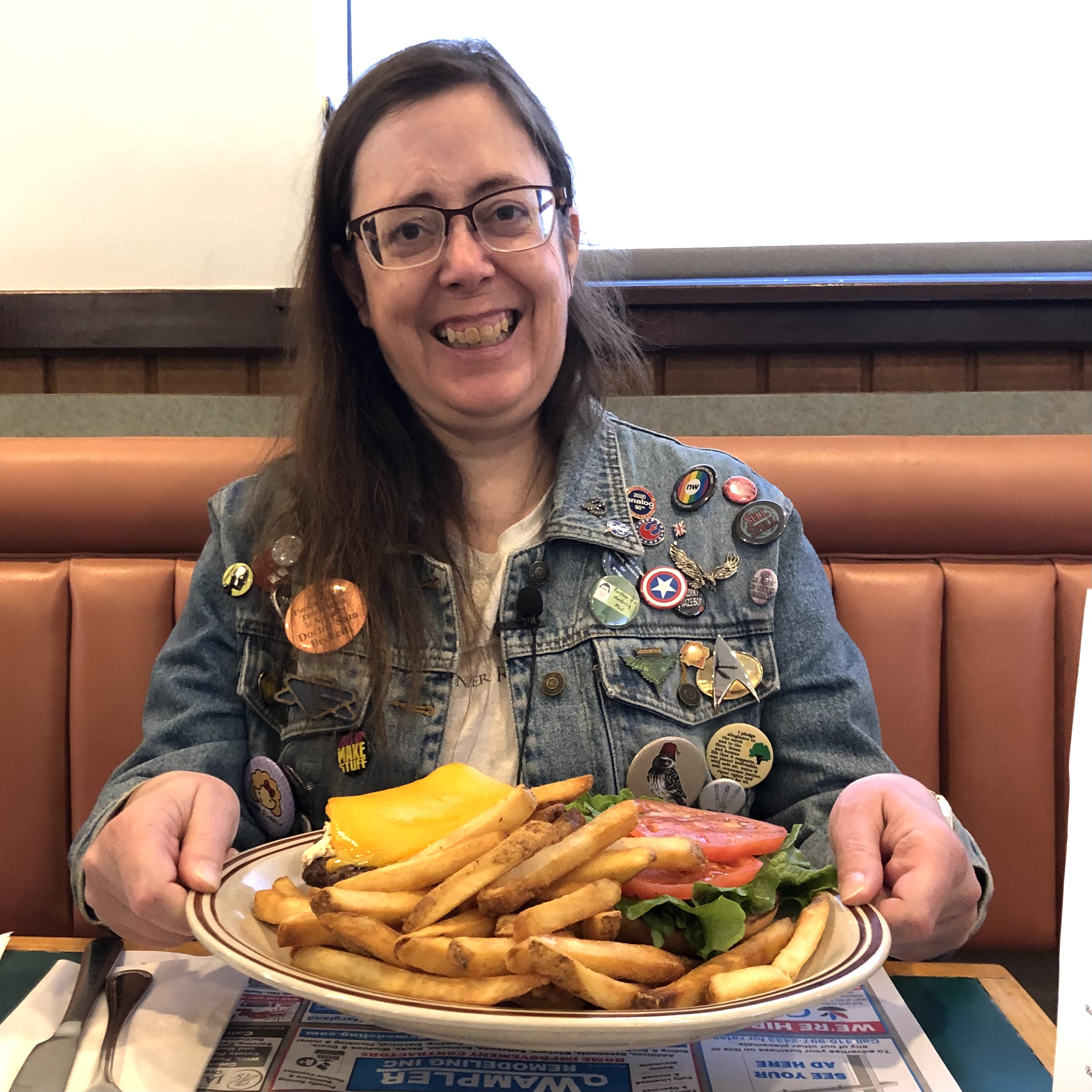
The 80th World Science Fiction Convention ended a few weeks ago out in the flesh-and-blood world, but here at Eating the Fantastic, it’s just beginning — because you’re about to join me for the first of six episodes recorded in Chicago over the Labor Day weekend. We begin by heading out with writer Wesley Chu to Summer House Santa Monica, a favorite brunch spot of his from the days when he lived in Chicago.

Chu’s debut novel, The Lives of Tao, earned him a Young Adult Library Services Association Alex Award and a Science Fiction Goodreads Choice Award Top 10 slot, and was followed by three other books in that universe — The Deaths of Tao (also in 2013), The Rebirths of Tao (2015), and The Days of Tao (2016). He’s also published two books in his Time Salvager series — Time Salvager (2015) and Time Siege (2016). His novel Typhoon, set in The Walking Dead universe, was published in 2019.

He’s also the coauthor of the Eldest Curses series with Cassandra Clare, the first book of which — The Red Scrolls of Magic (2019) — debuted at #1 on the New York Times bestseller list, and was followed by The Lost Book of the White in 2020. His latest novel, The Art of Prophecy (2022), released in August, is the first book in The War Arts Saga. He was a finalist for the John W. Campbell Award for Best New Writer in 2014, and won the following year. But that’s not all! He’s also an accomplished martial artist and a former member of the Screen Actors Guild who has acted in film and television, worked as a model and stuntman, and summited Kilimanjaro.

We discussed why his new novel The Art of Prophecy has him feeling as if he’s making his debut all over again, the reason his particular set of skills means he’s the only one who could have written this project, why creating a novel is like trying to solve a 1,000-piece jigsaw puzzle without the picture on the box as reference, the heavy lifting a well-written fight scene needs to accomplish, why you’ll never get to read his 180,000-word first novel, how to make readers continue to care when writing from the POV of multiple characters, the benefits and pitfalls of writing bigger books, why he decided to toss 80,000 words from the second book in his series, the ways in which environments are also characters, and much more.

Here’s how you can join us — (more…)

Meet Max Gladstone for a Mexican meal in Episode 180 of Eating the Fantastic

Posted by: Scott    Tags:  Eating the Fantastic, Max Gladstone    Posted date:  September 9, 2022  |  No comment


I’m just back from the 80th World Science Fiction Convention — and I suppose I should point out it wasn’t my 80th Worldcon. Though I’ve been attending cons since I was 15, I’m not that old. Chicon 8 was merely — merely! — my 36th.

And I’ve brought back conversations for you with Wesley Chu, Carol Tilley, Eileen Gunn, Michael Swanwick, Oghenechovwe Donald Ekpeki, and Tim Waggoner. But what I haven’t brought back — at least as of this morning — is a case of COVID-19. Which as far as I’m concerned is a miracle, considering my anxiety levels going into the con.

But before we get to any of those six conversations, I’d like you have lunch with Max Gladstone. Max is perhaps best-known for his Craft Sequence of fantasy novels which began in 2012 with Three Parts Dead, continued in 2013 with Two Serpents Rise, and so far consists of six volumes, which considered as a whole were nominated for a Best Series Hugo Award. His interactive projects include the Choice of the Deathless and Deathless: The City’s Thirst, which both take place in the world of the Craft Sequence. With previous guest of the podcast Amal El-Mohtar, he wrote the internationally bestselling This is How You Lose the Time War, which was published in 2020 and won the Hugo, Nebula, and Ignyte Awards. Gladstone also created the Serial Box series Bookburners, and the interactive television series Wizard School Dropout. His most recent novel, Last Exit, was published in March.

We discussed what a Godzilla movie has to tell us about the way future art will likely deal with the pandemic, our differing ideas over what we mean when we say we’ve written another draft of a story, how we’d be willing to dispense with the art inspired by tragedy if we could only skip the tragedy as well, the differences between his early and final drafts of Last Exit, how to make us care equally when writing from multiple points of view (and how doing so could cause the reader to trust the writer even more), what it is about science fiction that attracts dystopias, how our dreams have changed due to COVID-19, what we get wrong when we write about civilizations lasting thousands of years, and much more.

Here’s how you can join us — (more…)

Join writer David Ebenbach for cheesecake in D.C. on Episode 179 of Eating the Fantastic

Posted by: Scott    Tags:  David Ebenbach, Eating the Fantastic    Posted date:  August 30, 2022  |  No comment


This episode’s conversation didn’t involve sneaking off from a convention — though it might have. That’s because I could have had lunch with David Ebenbach during Awesome Con as I did with previous guests of the show Patrick O’Leary and Sam J. Miller, but I didn’t see the point in trying to squeeze him into a busy weekend when he was a local writer and I was able to meet up with him any time. And so that’s what I did, heading into D.C. for lunch on the patio at the Glover Park Grill

David’s the author of eight books of fiction, poetry, and non-fiction, the most recent being his novel How to Mars, published last year by Tachyon Press, and the short story collection The Guy We Didn’t Invite to the Orgy and Other Stories, published in 2017 by the University of Massachusetts Press. His short stories have appeared in such genre markets as Asimov’s, Analog, and Not One of Us, but he’s also been published in such literary markets as the Kenyon Review, Iowa Review, and New England Review.

His writing has won him the Drue Heinz Literature Prize, the Juniper Prize, the Patricia Bibby Award, and other awards. He works at Georgetown University, teaching creative writing and literature at the Center for Jewish Civilization and creativity through the Masters in Learning, Design, and Technology Program, and promoting inclusive, student-centered teaching at the Center for New Designs in Learning and Scholarship.

We discussed the way he started writing science fiction without realizing he was writing science fiction, the final line of the worst thing he’s ever written, how his first scribbling as a kid was a violent spy novel about The Smurfs, why it’s important to root for an author and not merely our own reading experience, the cliches some in the literary and science fiction worlds believe about each other, the newspaper article which sparked his novel How to Mars, the way he’s managed to carve himself out a bifurcated writing life, the philosophical differences between those writing novels and short stories, and much more.

Here’s how you can join us — (more…)

Brunch on Eggs Benedict with Michael Jan Friedman in Episode 178 of Eating the Fantastic

Posted by: Scott    Tags:  Eating the Fantastic, Michael Jan Friedman    Posted date:  August 19, 2022  |  No comment


And now it’s time to take a seat at the table for brunch with writer Michael Jan Friedman. We met up last month during Shore Leave, and headed off to the nearby Ashland Cafe, where we ate out on the patio. Luckily, it was a nice day for it, but even if it hadn’t been quite that nice, we’d still have chosen to remain outside in this time of COVID. We’re definitely not out of the woods yet, folks.

Michael’s written more than 70 books — around half of them set in the Star Trek universe. In 1992, he wrote Reunion, the first Star Trek: The Next Generation hardcover, which introduced the crew of the Stargazer, Captain Jean-Luc Picard’s first command. Friedman has also written for the Aliens, Predator, Wolf Man, Lois and Clark, DC Super Hero, Marvel Super Hero, and Wishbone licensed book universes. Eleven of his books, including Hollywood Hulk Hogan and Ghost Hunting (written with Syfy’s Ghost Hunters), have appeared on the New York Times bestseller list. He’s also produced more than 200 comic book stories, including the Darkstars series from DC Comics, which he created with artist Larry Stroman, and the Outlaws limited series, which he created with artist Luke McDonnell. He also co-wrote the story for the second-season Star Trek: Voyager episode “Resistance,” which guest-starred Joel Grey.

We discussed the comic book he refused to trade for Fantastic Four #1 as a kid, how the X-Men might actually be a deconstructed Superman, whether it mattered the Marvel Universe was set in New York rather than DC’s series of fictional cities, why his two favorite superheroes are Green Lantern and Martian Manhunter, the lesson he took from an early encounter with Isaac Asimov, how he easily solved a stardate conflict which allowed him to keep Chekov in one of his Star Trek novels, what it was like helping Hulk Hogan write his autobiography, and much more.

Here’s how you can join us — (more…)

Catch up with Sam J. Miller over khachapuri in Episode 177 of Eating the Fantastic

Posted by: Scott    Tags:  Eating the Fantastic, Sam J. Miller    Posted date:  August 5, 2022  |  No comment


It’s time to settle in for another lunch during the Washington, D.C. pop culture festival Awesome Con. Last episode, you eavesdropped on my meal with Patrick O’Leary, and this time around you get to take a seat at the table with Sam J. Miller.

You first heard me chat and chew with Sam 5-1/2 years ago in Episode 24, and when I noted he’d be at the con to promote his debut short story collection Boys, Beasts & Men, I knew it was time for us to catch up.

So much has changed since I last shared him with you in late 2016! His first novel, The Art of Starving, was published the following year and was a finalist for the 2018 Lodestar Award for Best Young Adult Book, and won the 2018 Andre Norton Award. Blackfish City, published in 2018, won the 2019 John W. Campbell Memorial Award, and was named a best book of the year by Vulture, the Washington Post, and Barnes & Noble, as well as a must-read for Entertainment Weekly and O: The Oprah Winfrey Magazine. His second young adult novel, Destroy All Monsters, was published by HarperTeen in 2019, and his second adult novel, The Blade Between, was published by Ecco Press in 2020.

We discussed the 1,500 short story submissions he made between 2002 and 2012 (as well as the one story which was rejected 99 times), the peculiar importance of the missing comma from the title of his new collection Boys, Beasts & Men, his technique for reading collections written by others, why the Clarion Writing Workshop was transformative, how Samuel R. Delany gave him permission, the way his novels and short stories exist in a shared universe, the impossibility of predicting posthumous fame, the superpower he developed via decades of obscurity, the differing ideas of what writers block means, and much more.

Here’s how you can join us — (more…)

Dig into dumplings with Patrick O’Leary in Episode 176 of Eating the Fantastic

Posted by: Scott    Tags:  Eating the Fantastic, Patrick O'Leary    Posted date:  July 22, 2022  |  No comment


Welcome to the first of two episodes recorded during the massive pop culture event Awesome Con, held each year in Washington D.C. My first guest of the weekend was Patrick O’Leary, whose debut novel, Door Number Three (1995), was named a best book of the year by Publishers Weekly.

His second book, The Gift (1997), was a finalist for both the World Fantasy Award and the Mythopoeic Award. The Impossible Bird (2002) was selected as one of Locus’s top novels of the year. His new novel, 51, was just published in February. His short stories have appeared in such magazines as SCI Fiction, PostScripts, and Electric Velocipede, and anthologies like Mars Probes and We Think, Therefore We Are. Many of them have been collected in Other Voices, Other Doors (2000) and The Black Heart (2009). And even if you’ve never read Patrick O’Leary, you’ve certainly heard him, because he wrote the poem “Nobody Knows It But Me,” which was used in the 2002 advertising campaign for the Chevrolet Tahoe and recited in the commercial by James Garner.

We discussed the way his new novel 51 is similar to The Great Gatsby, why he believes his books will crumble if he attempts to describe them, the perils and pleasures of pantsing (and how his stories often don’t get any good until the 15th draft), the tragedy of being an invisible creature, our mutual fears of what aging might bring, his love for Marvel Comics (and especially the Silver Surfer), how Laura Ingalls Wilder introduced him to literature, the way reading Kurt Vonnegut taught him there were no rules, the two science fiction greats who literally left him speechless, and much more.

Here’s how you can join us — (more…)

Join David Gerrold for a breakfast buffet on Episode 175 of Eating the Fantastic

Posted by: Scott    Tags:  David Gerrold, Eating the Fantastic    Posted date:  July 8, 2022  |  2 Comments


Welcome to the last of three Eating the Fantastic episodes recorded over the Memorial Day weekend at the 56th annual Balticon, the first time that con was able to occur in the flesh in three years because of … well, you know why.

You’ve already shared sushi with Wen Spencer, followed by an Afghan dinner with Gwendolyn Clare, and now it’s time for breakfast with David Gerrold, who I first encountered when I was 12, because I saw the Star Trek episode scripted by him, “The Trouble with Tribbles,” when it first aired in 1967. And they say 12 is the Golden Age of science fiction, right?

But David is so much more than that famed episode. He’s the author of more than 50 books, hundreds of articles and columns, and numerous hours of television. His TV credits include episodes from Star Trek (such as the aforementioned “The Trouble With Tribbles” and “The Cloud Minders”), Star Trek Animated (“More Tribbles, More Troubles” and “Bem”), Babylon 5 (“Believers”), Twilight Zone (“A Day In Beaumont” and “A Saucer Of Loneliness”), Land Of The Lost (“Cha-Ka,” “The Sleestak God,” “Hurricane,” “Possession,” and “Circle”), Tales From The Darkside (“Levitation” and “If The Shoes Fit”), Logan’s Run (“Man Out Of Time”), and others.

His novels include When HARLIE Was One (which I believe was the first prose of his I read, at age 17), The Man Who Folded Himself, The War Against The Chtorr septology, The Star Wolf trilogy, and The Dingilliad young adult trilogy, the Trackers duology, and many more. The autobiographical tale of his son’s adoption, “The Martian Child,” won the Hugo and Nebula awards for Best Novelette of the Year and was the basis for the 2007 movie, Martian Child.  He was the 2022 winner of the Robert A. Heinlein Award, which was presented during Balticon.

We discussed what he means by “humility in the face of excellence,” the curse of fame and why J. D. Salinger may have had the right idea, how the more you know the slower you write, the challenge of living up to having won the Heinlein Award (and why Heinlein once called him “a very nasty man”), the scariest story he ever wrote, how Sarah Pinsker helped him understand what he really felt about Ursula K. Le Guin’s “The Ones Who Walk Away from Omelas,” the kind of person he might have been had he not moved to L.A. as a kid, the fannish way he found out he’d been nominated for a Hugo Award, how it feels to already know what the headline of his obituary will be, and much more.

Here’s how you can join us — (more…)

‹ Newest 7 8 9 10 11 12 13 14 15 16 Oldest ›
  • Follow Scott


  • Recent Tweets

    • Waiting for Twitter... Once Twitter is ready they will display my Tweets again.
  • Latest Photos


  • Search

  • Tags

    anniversary Balticon birthdays Bryan Voltaggio Capclave comics Cons context-free comic book panel conventions DC Comics dreams Eating the Fantastic food garden horror Irene Vartanoff Len Wein Man v. Food Marie Severin Marvel Comics My Father my writing Nebula Awards Next restaurant obituaries old magazines Paris Review Readercon rejection slips San Diego Comic-Con Scarecrow science fiction Science Fiction Age Sharon Moody Stan Lee Stoker Awards StokerCon Superman ukulele Video Why Not Say What Happened Worldcon World Fantasy Convention World Horror Convention zombies