

Scott Edelman
  • Home
  • Blog
  • About
  • Writing
    • Short Fiction
    • Books
    • Comic Books
    • Television
    • Miscellaneous
  • Editing
  • Podcast
  • Contact
  • Videos

©2026 Scott Edelman

“Recollections of a Comic Book Writer of (almost) 50 Years” by Paul S. Newman

Posted by: Scott    Tags:  comics, Ellen Vartanoff, Paul S. Newman, Stan Lee    Posted date:  October 24, 2022  |  No comment


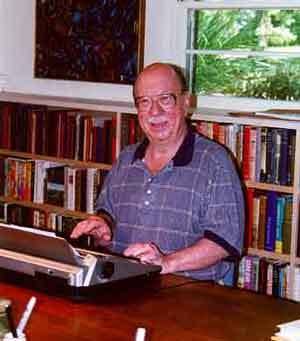
I found another treasure in the papers of my late sister-in-law Ellen Vartanoff — the text of a speech given in 1977 by comic book writer Paul S. Newman. Newman was listed in The Guinness Book of World Records as the most prolific comic book writer of all time, and since in 1977 he lived in the D.C./.Maryland area, she invited him to speak at one of the cartooning shows she curated back then.

Since I can’t find the text of this presentation anywhere else on line, I share it here with you. He called it —

“Recollections of a Comic Book Writer of (almost) 50 Years”


In the summer of 1948, after my fifth rewrite, I finally had my first comic book story accepted by National Comics (now DC).

It was for their Date with Judy teen-age humor book. My second story required only two rewrites. That assured the editor and me that I could write comic book scripts, but neither of us ever guessed I’d eventually write some 4,121 stories and still be writing them.

However, the truly amazing thing is not that I succeeded in selling so many stories, but to get the 4,121 approved, I had to submit an additional 5,000 plot ideas, which were rejected, and that despite all those rejections, I didn’t commit suicide.

Naturally, writing comics for fifty years leaves one with many memories. Here are some very random recollections:

I started writing for Stan Lee about 1950, probably with a story for Patsy Walker, and quickly went on to write for his science-fiction, “horror,” and other books. Stan was a smiling, encouraging editor to work with. I would bring in a plot outline, and Stan would immediately say “yes … no … ” or suggest a way to save it. Once, Stan seemed even more helpful, advising me that he would “give” me a plot, stating, “A man checks into a hotel …” I wrote that down rapidly. Stan continued, “They assign him a room on the 13th floor …” I noted that and there was a pause. I looked up from my pad. “And then, Stan?”

“Make it five pages, Paul.”

A year or so later, romance comics were hot (the sales, not the stories) and Stan said he wanted me to try writing some. I advised Stan that romance wasn’t my style. He shoved half a dozen romance books into my arms and said, “Try.”

The next day, I sent down a six pager, which began with a splash panel showing a girl dancing with one man and looking over his shoulder at another man in the background. “I was dancing with Ted. He pressed me close, but I knew it was the stranger in back, whom I really loved …” I was too much of a coward to subway down to Stan and watch his reaction, as he scanned it. I sent the story down by messenger.

A few hours later the phone rang. Sure it was Stan, I didn’t answer it until my wife forced the receiver into my hand. “It’s great, Paul. Give me three more.” And suddenly in half a dozen Marvel romance titles, I was pouring out my heart.

Although, writing for over six publishers in the early 1950s, I kept wanting to write for the biggest of them all, Western Publishing. The editor liked my published samples, but had no book available. I went back the following month, still nothing available. I went back the following month, and for ten more months, and then there was an opening: I began to write The Lone Ranger for the next 24 years. That was not my longest running comic. Turok, Son of Stone (not the stoned dinosaur hunter one) was. I kept Turok and Andar from escaping from Lost Valley for over 26 years, getting Turok out once, however, in an alien flying suácer in issue #58, July 1967.

Incidentally, except for 3 issues of Beware in the early 1950s, my name did not appear in print on any of the thousands (yes, thousands) of other stories I have written. Even among the five comic strips I wrote, only one, The Lone Ranger, carried my name.

Besides Stan Lee, one other editor was extremely important to me, Matthew H. Murphy, the brilliant editor at Western. While Western specialized in doing books based on licensed characters, and many of which I wrote: I Love Lucy, Gunsmoke, Lassie, Star Trek, and on and on, today, the properties that are still going on are two originals that Matt developed and which I wrote, with some creative input as well: Turok, Son of Stone and Dr. Solar.

In the course of writing so many licensed TV and film properties, I frequently met the “live” heroes of my books. Clayton Moore (The Lone Ranger) turned out to be a charming man, whose eyes (even when seen through the Ranger’s mask’s openings) suggested authentic sincerity, and whose deep, authoritative voice convinced me that was how the old Testament’s prophets must have sounded. There was Clint Walker (Cheyenne) looming over me, a friendly giant, in whose huge extended hand I lost mine. But the most unusual “live” hero I ever met wasn’t even human; he was Smokey the Bear.

The Forest Service flew Morris Gollub, the talented artist of the series and the comic strip, and me to Washington for a publicity photo with Smokey. Unfortunately, when we reached his caged-in area, Smokey had retreated into the shadowy depths of his “cave”. The keeper called. Smokey did not come out. The keeper tossed some ursine delicacies in front of the cave. Smokey did not come out. The keeper entered the cave and pushed. Smokey did not come out. The photographer stood waiting with the frustration we all shared, when I offered, “I know Smokey’s psychology better than any of you. I write his dialog. I know what will get him out.” By that time Smokey was popular enough to have a whole line of souvenirs and memorabilia for sale. So I tossed a quarter in front of his cage. CLINK! A moment later, the market-oriented bear emerged, and we got our photo.

As far as artists were concerned, I knew only two of them fairly well: TOM GILL (The Lone Ranger) and Albert Giolitti (Turok). I actually avoided meeting fellow writers and artists, as all I wanted to do was get to my publisher, discuss plots with the editor, go home and write stories.

I wrote comic books to pay the mortgage, the food bill, and for my kids’ new shoes. I certainly enjoyed it and was lucky in that I could write some 2,000 pages a year during several years. I never even complained about my name not being on a comic book page — as long as it was spelled correctly on the check, for I “knew” what would bring me fame and fortune. It wasn’t comics. It was writing plays for Broadway, and screenplays for Hollywood. And while I have had five plays optioned for Broadway, and have sold five screenplays to movie producers, I have never had any of those scripts produced. Thanks to good genes and even better physicians, I am still writing at 73, both for the comics, as well as having two screenplays currently surfing around the West Coast, and just delivered a new novel to a top agent. Maybe next year, one of them will hit. Meanwhile, as we said in the old days — “see you in the funny pages!”

And I hoped you enjoyed some stories I wrote on my way to becoming, King of the Comic Book Writers.

The Comics Code Authority censors a student nurse in 1955

Posted by: Scott    Tags:  comics, Comics Code, romance    Posted date:  January 2, 2022  |  No comment


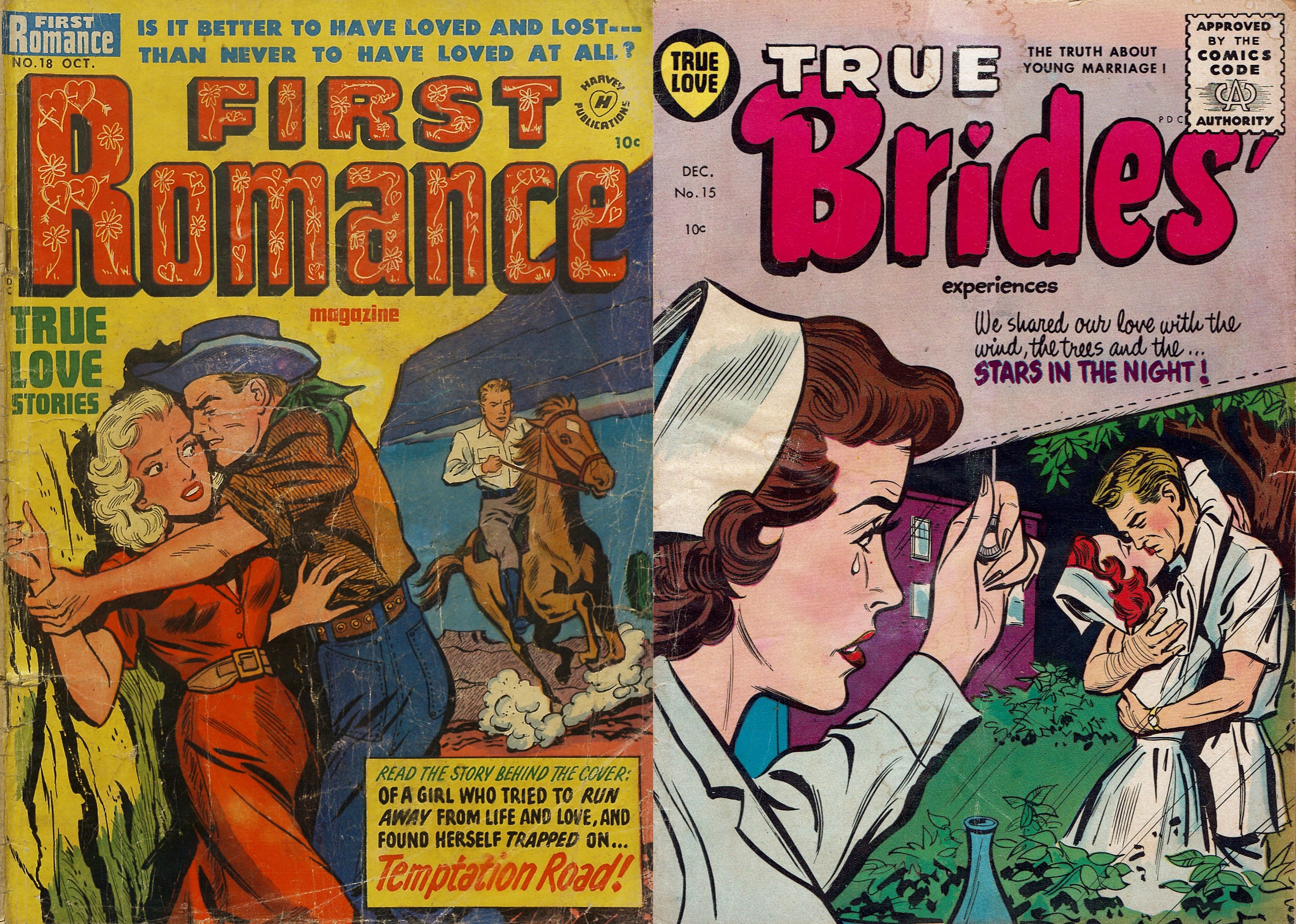
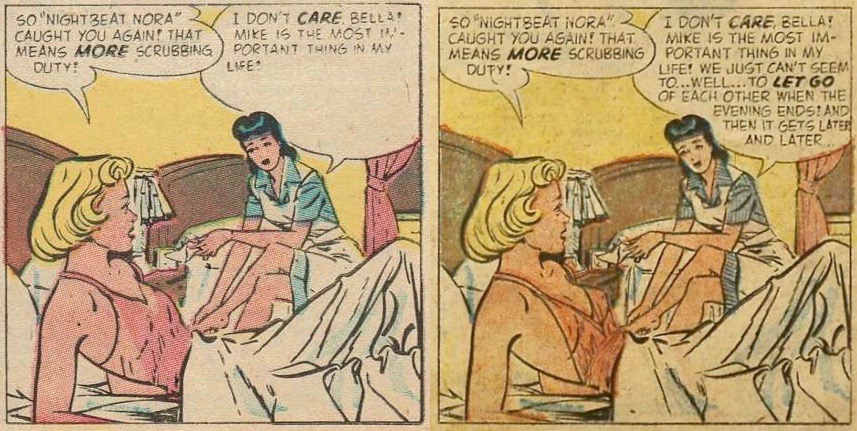
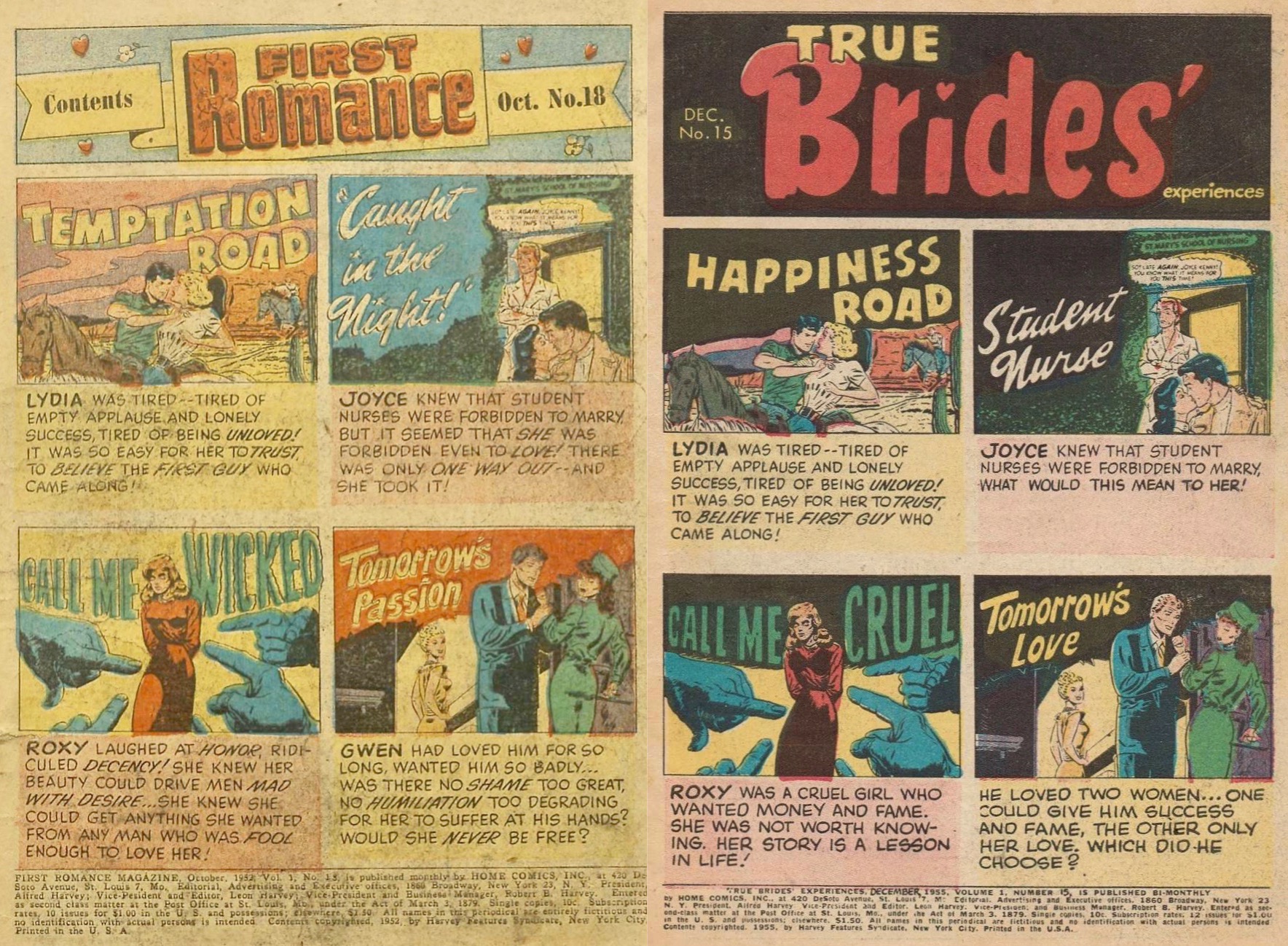
I was reading True Brides’ Experiences #15 (as one does) when I noticed a massive amount of empty space in a word balloon, and assumed this was due the story being a pre-Code reprint, so I tracked down the original publication in First Romance Magazine #18 three years earlier.

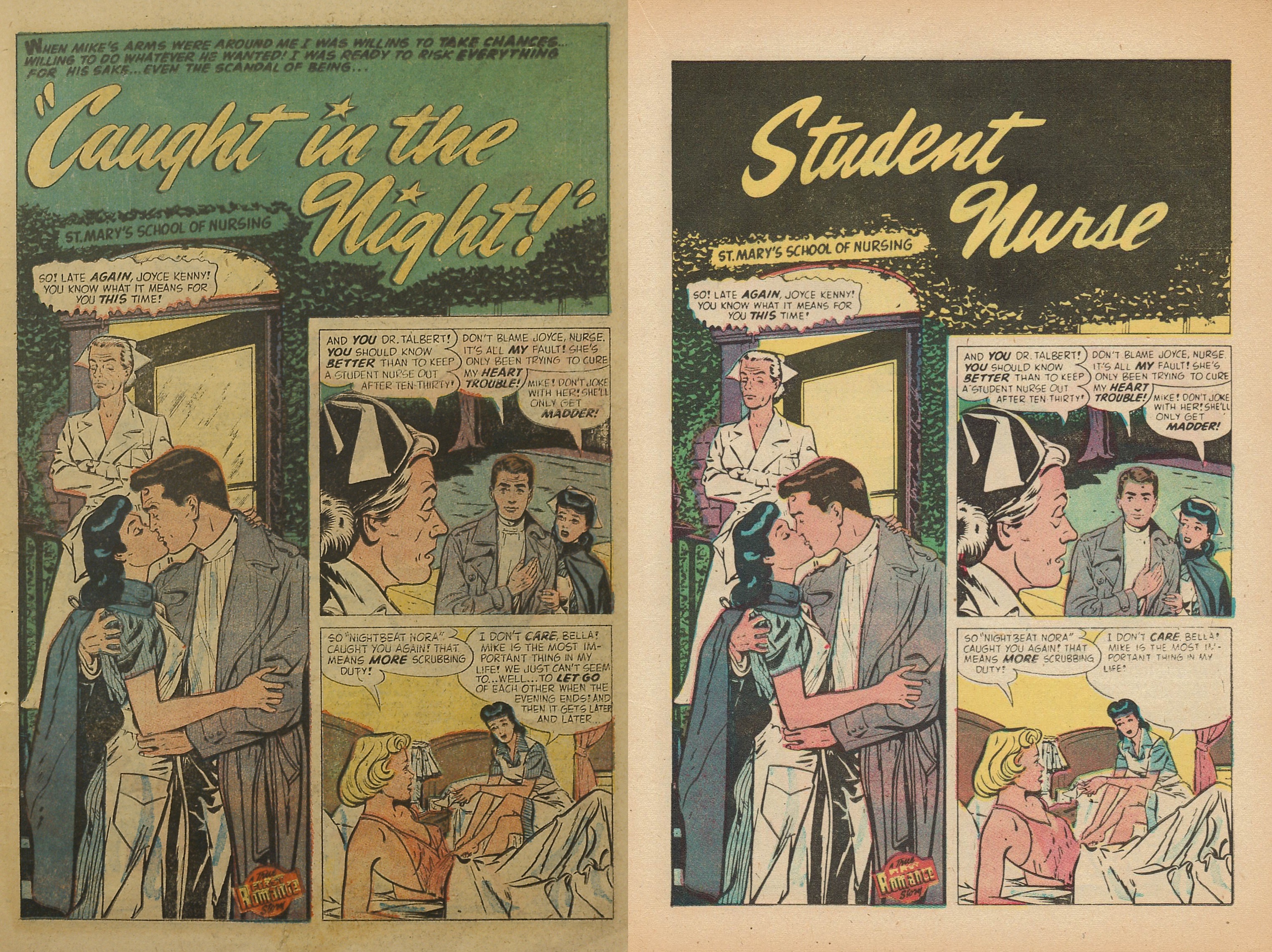
Not only did the Code remove any dialogue which hinted at sex, but the nightgown worn by one of the women was made more modest, and her curves were mostly removed.

Plus the story’s title had been changed from 1952’s “Caught in the Night!” to 1955’s “Student Nurse.”


In addition to that, check out the way all the stories were retitled when published under the auspices of the Comics Code Authority. Three years later, and words such as “Temptation,” “Passion,” and “Wicked” were no longer acceptable.

Good thing no child ever read those words!

FOUND: Two 1970 Young Love romance scripts by Jack Miller

Posted by: Scott    Tags:  comics, DC Comics, Ellen Vartanoff, Jack Miller, romance    Posted date:  August 14, 2021  |  No comment


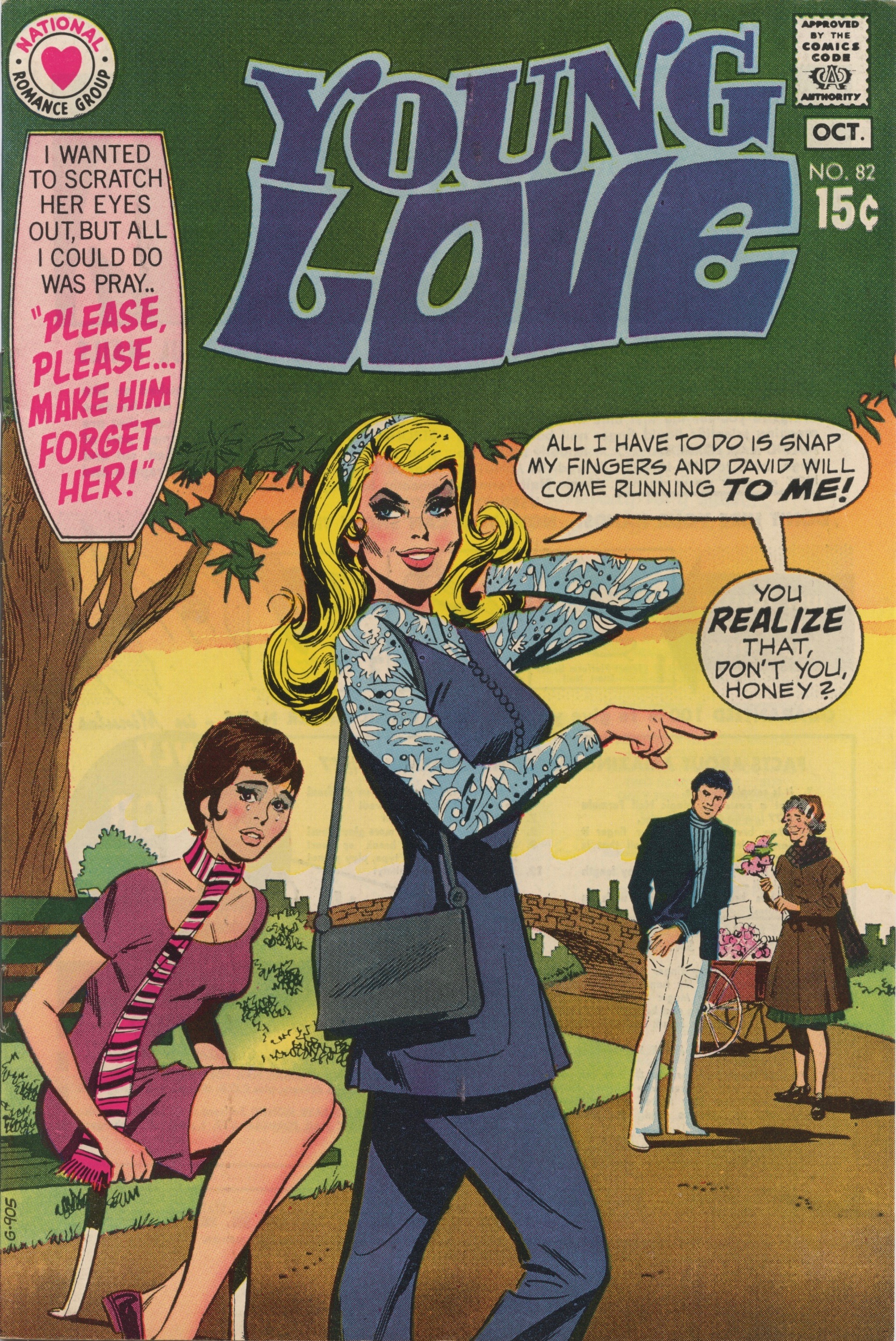
Found among late my late sister-in-law Ellen Vartanoff’s papers — two scripts written by Jack Miller for Young Love #82 (October 1970).

Miller wrote comics from the ’40s through the ’60s, including such titles as Deadman, Batman, Aquaman, Blackhawk, Jimmy Olsen, and many others. (more…)

A mid-’70s Comics Code misunderstanding

Posted by: Scott    Tags:  comics, Comics Code, Marvel Comics    Posted date:  June 26, 2021  |  No comment


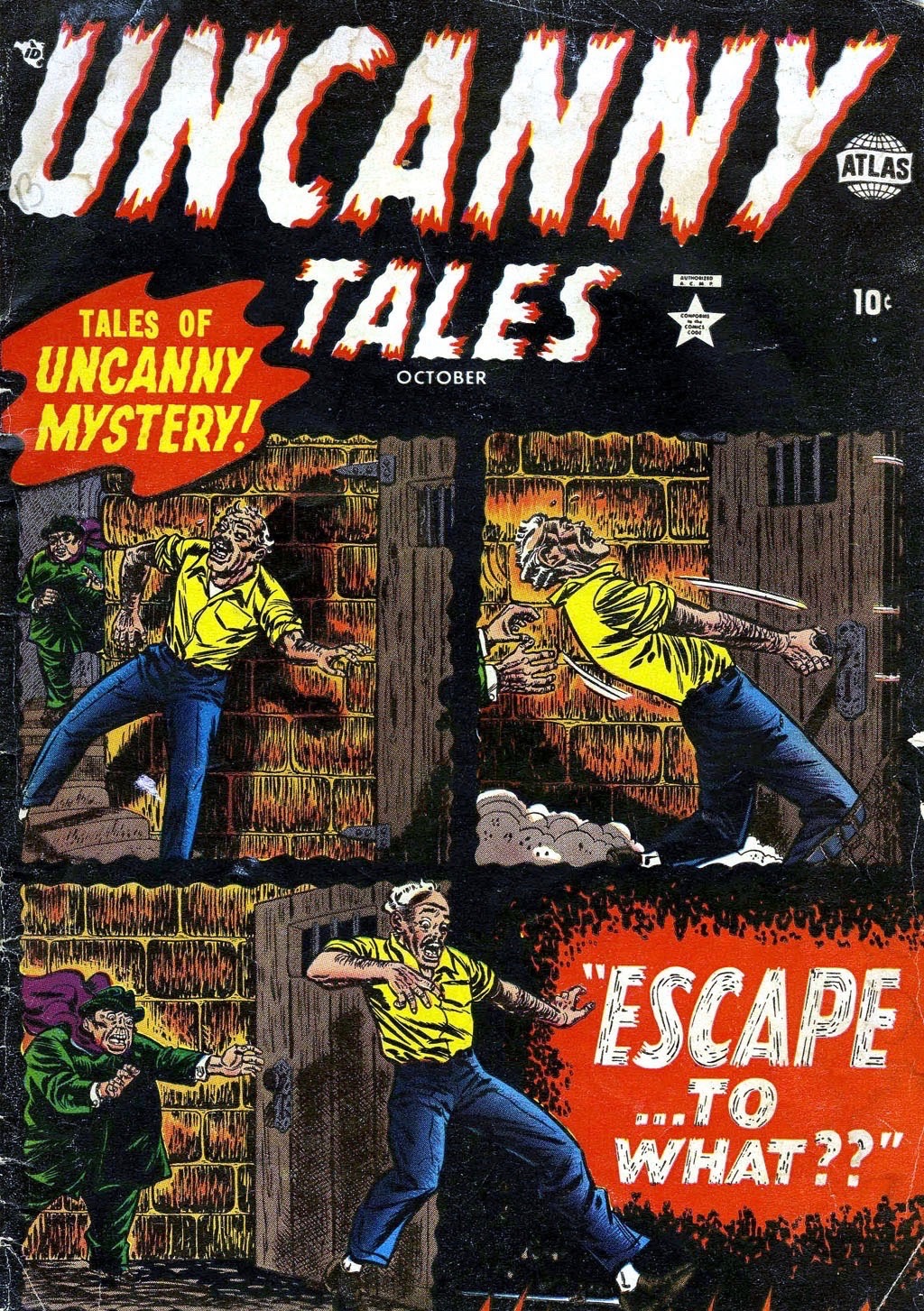
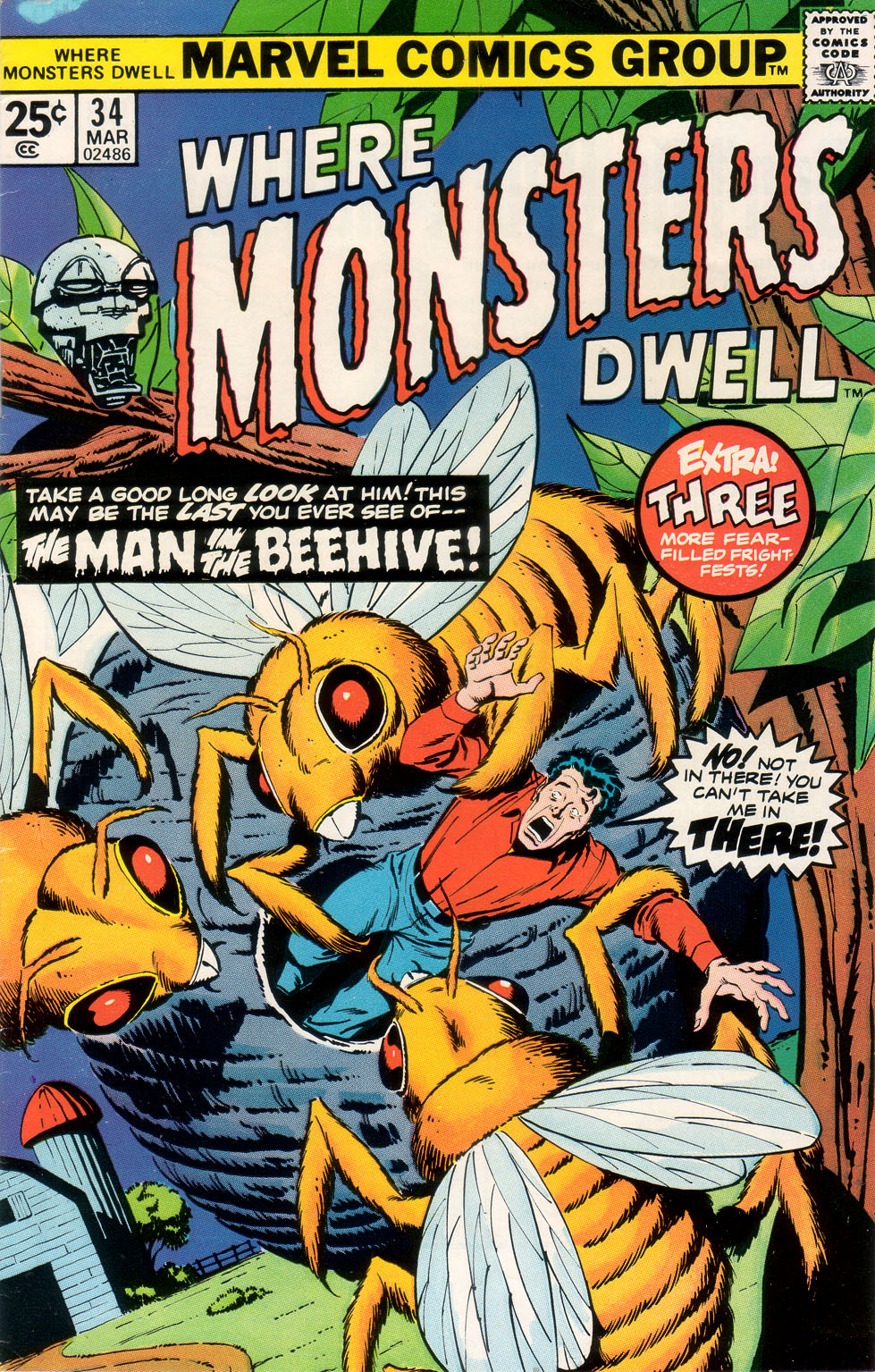
Here’s another 1950s horror story which raised concerns with the Comics Code Authority when Marvel chose to reprint it during the 1970s, as revealed by documents I found among my sister-in-law Ellen Vartanoff’s papers. The original appeared in Uncanny Tales #3 (October 1952).

When it came time for the three-page “Crazy” — scripted by Stan Lee and drawn by Jerry Robinson — to be republished in Where Monsters Dwell #34 (March 1975), the CCA had a question about the tale of a hit-and-run driver. (Note: neither time was the story considered cover worthy.)

(more…)

An uncanny Comics Code Authority mystery

Posted by: Scott    Tags:  comics, Comics Code, Marvel Comics    Posted date:  June 20, 2021  |  No comment


Ready for another mid-’70s Marvel Comics mystery?

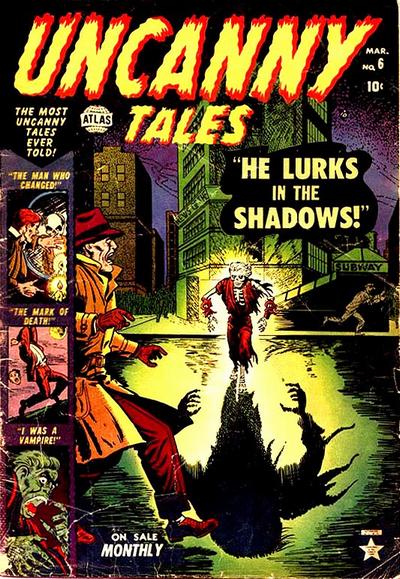
Back then, Marvel reprinted many 1950s horror stories which had first been published before the existence of the Comics Code Authority. Such was the case with “He Lurks in the Shadows,” originally seen in Uncanny Tales #6 (March 1953).

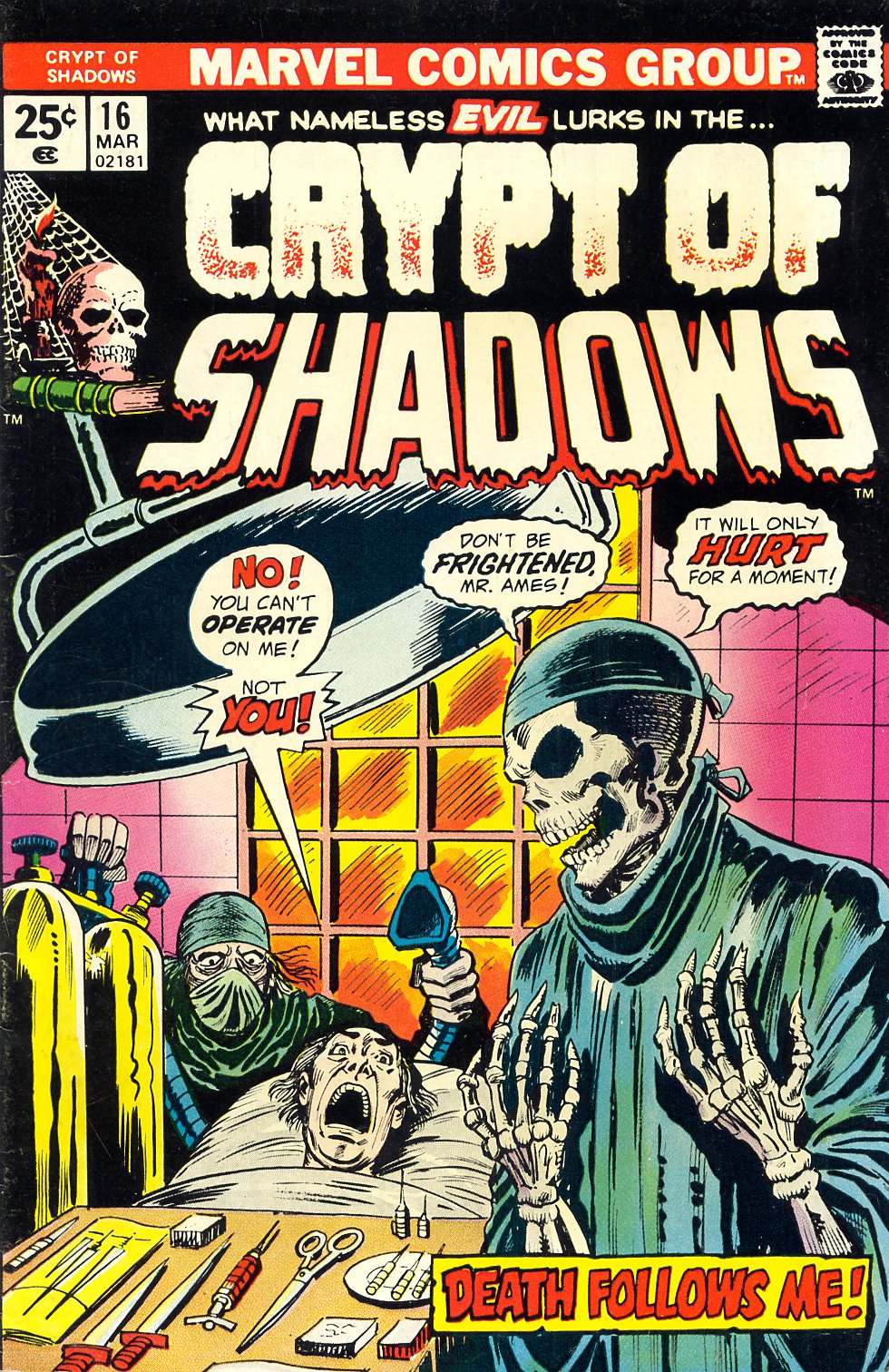
Twenty-two years later, when that story was slated to appear in Crypt of Shadows #16 (March 1975), there were two differences — its premise was no longer considered cover worthy — plus this time around, the Comics Code needed to approve each page before it was published.

(more…)

Why Howard the Duck didn’t get laid

Posted by: Scott    Tags:  comics, Howard the Duck, Marvel Comics    Posted date:  May 23, 2021  |  2 Comments


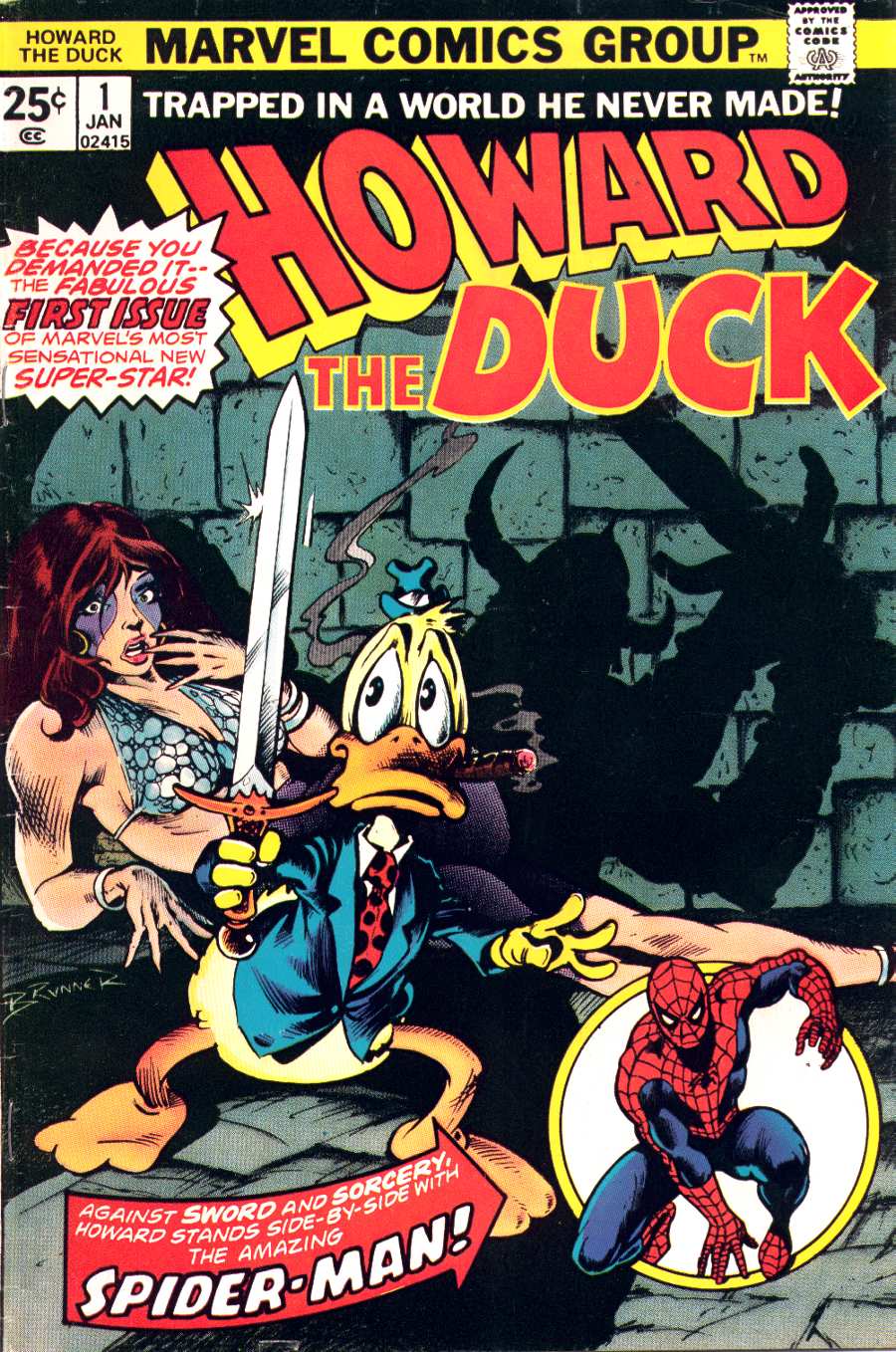
Howard the Duck was supposed to get laid (sort of) in his debut issue cover-dated January 1976 — and though I no longer remember why he didn’t get laid, I have proof of that editorial alteration thanks to papers discovered in my late sister-in-law Ellen Vartanoff’s collection.

In that issue, there’s a scene where Howard lands in a nest and explains how it “reminds me of where I was first hatched.” But that is not how the word balloon was originally lettered. (more…)

The Comics Code Authority had no (bleeding) heart

Posted by: Scott    Tags:  comics, Comics Code, David Anthony Kraft, Ellen Vartanoff, Marvel Comics    Posted date:  May 23, 2021  |  1 Comment


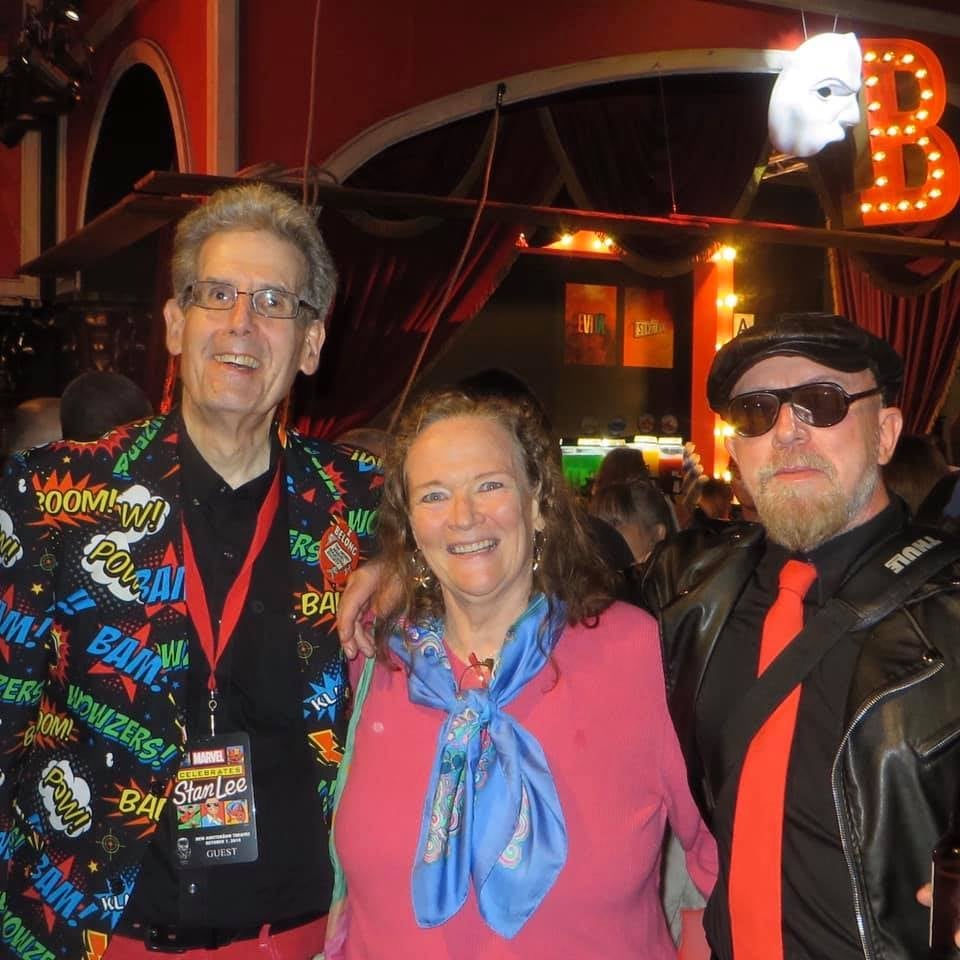
I was horrified to hear that David Anthony Kraft — whom I first met 40+ years ago when my comics career began and last saw at the 2019 Marvel Celebrates Stan Lee afterparty — died on May 19, 2021 of pneumonia induced by COVID-19.

Here he is with Jo Duffy and me at that latter event.

Saying I was shocked and stunned is too tame. Though I can’t be sure, I likely met Dave at Marvel the same day I met my wife. My first day on staff there was June 24, 1974. I was 19. Irene’s first day was April 15, 1974. And Dave began in the Bullpen slightly earlier than either of us, on March 25, 1974.

An additional reason David Anthony Kraft’s death felt and still feels unbelievable — aside from the fact the death of any contemporary seems shocking — is only 24 hours prior to learning of his death, I discovered the apoplectic paperwork sent by the Comics Code Authority censoring one of his stories, and was going to call him.

As those who’ve been following me know, I’ve been sorting through my late sister-in-law Ellen Vartanoff’s collection. She taught comics and art, and over the decades was donated artifacts which showed how the sausage was made. This particular find relates to Giant-Sized Dracula #4 (March 1975). (more…)

Grab an egg roll and join comics writer/editor Jim Salicrup in Episode 143 of Eating the Fantastic

Posted by: Scott    Tags:  comics, Eating the Fantastic, Jim Salicrup, Marvel Comics    Posted date:  April 23, 2021  |  No comment


I’d planned to take a day trip to New York last year to chat with Jim Salicrup, whom I’d met during the mid-‘70s when we both worked in the Marvel Comics Bullpen, but (for reasons I’m sure you understand) that couldn’t happen. And as I continue to pretend we’re living in the world we want, rather than the one we’ve been handed, I recently had that meal … albeit remotely.

For the past 15 years, Jim’s been the editor-in-chief at Papercutz, which publishes Nancy Drew, The Hardy Boys, Smurfs, Asterix, and more, but when I met him, he was at the start of his 20-year Marvel career, where he wrote Transformers, Sledge Hammer, The A-Team, Spidey Super Stories, the infamous Incredible Hulk toilet paper, and much more. He also edited The Avengers, The Uncanny X-Men, The Fantastic Four, and The Amazing Spider-Man. In between those two jobs, he worked at Topps, where edited books such as Bram Stoker’s Dracula, X-Files, Zorro, and a line of Jack Kirby superhero comics — and also did a stint at Stan Lee Media as well.

We discussed the illustrated postcard which convinced Marvel Comics to hire him at age 15, how John Romita Sr. caused him to change his name the first day on the job, what he did to enrage MAD magazine’s Al Feldstein, his late-night mission to secure Stan Lee’s toupee, what editor Mark Gruenwald had in common with Bill Murray, why the 1970s’ X-Men revival was like Amazing Fantasy #15, how he convinced Todd McFarlane to stick to Spider-Man (which eventually led to a blockbuster new comic), the possible connection between Stan’s love of crossword puzzles and the famed Marvel Method, and much more.

Here’s how you can take a seat at the table with us — (more…)

Settle in for bagels and a schmear with comics retailer Joel Pollack in Episode 137 of Eating the Fantastic

Posted by: Scott    Tags:  comics, Eating the Fantastic, Joel Pollack    Posted date:  January 29, 2021  |  No comment


My last restaurant meal took place March 10, 2020 with Michael Dirda — on which you got to eavesdrop during Episode 117 of this podcast. I’d planned to get together for lunch with this episode’s guest three days later at a Thai restaurant in Silver Spring, Maryland, but before that day could come, I realized COVID-19 had made such a meeting unwise.

More than 10 months later, with no sense we’re coming to the end of this pandemic any time soon, I’m once again refusing to let this world steal a good conversation, and so longtime comics retailer Joel Pollack and I are reclaiming that lost meal — though with bagels and cream cheese and whitefish and smoked salmon rather than Pad Thai.

Joel Pollack has been a part of comics fandom even longer than I have — he attended one of Phil Seuling’s 4th of July Comic Art Conventions two years before I did — in 1968 — and founded Big Planet Comics in Bethesda, Maryland in 1986. That flagship store has expanded to other locations in Washington, D.C., College Park, MD, and Vienna VA, and I thought it would be fun to chat about the world of comics and comics fandom of the past half century, and how comics retailing has changed over the past three and a half decades.

We discussed what the pandemic has done to the comics shop business, the comic his mother bought him which changed his life, the card game which led to him getting his first piece of original art, how his run-in with a young Howard Chaykin convinced him he wasn’t cut out to be a professional comics artist, what opening day was like at the first of his Big Planet comic book stores, the biggest sales event he’s seen during his 35-year retailing career, what inspired Bernie Wrightson to draw a freaky issue of Swamp Thing, how he fights back against the Comic Book Guy cliche to makes his shops welcoming places, our joint distaste of slabbing, why he doesn’t like doing appraisals, and much more.

Here’s how you can eavesdrop on our conversation — (more…)

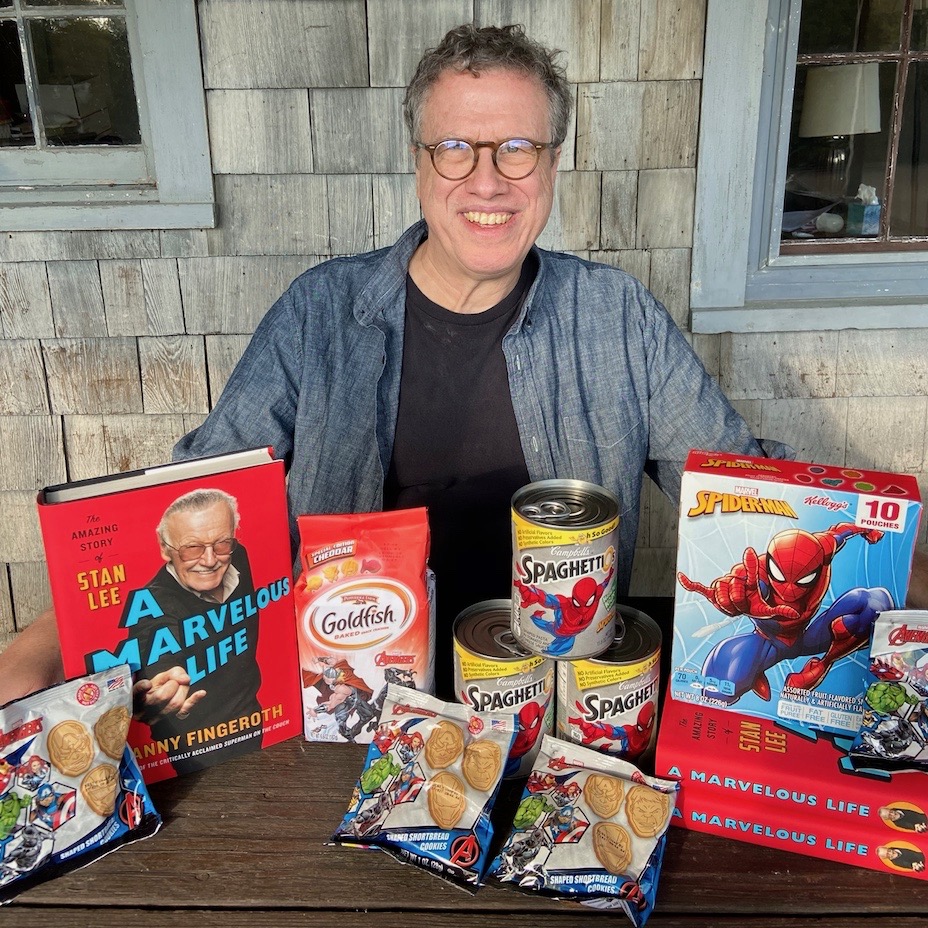
Uh-oh! It’s Spider-Man SpaghettiOs with comics writer/editor/historian Danny Fingeroth in Episode 128 of Eating the Fantastic

Posted by: Scott    Tags:  comics, Danny Fingeroth, Eating the Fantastic    Posted date:  September 25, 2020  |  No comment


After 189 guests and more than 224 hours of ear candy, Eating the Fantastic makes history — by offering you an episode with the greatest discrepancy between the quality of the guest and the quality of the food being eaten.

I’ve known that guest, Danny Fingeroth, for more than 40 years. A Marvelous Life: The Amazing Story of Stan Lee, his biography of “The Man,” has just been released in paperback. That’s but the latest of his many accomplishments since he started in comics back in the ’70s as an assistant at Marvel to previous guest Larry Lieber.

Danny went on to become group editor for all the Spider-Man titles, and writer of the Deadly Foes of Spider-Man and Lethal Foes of Spider-Man mini-series, plus long runs on Dazzler and Darkhawk. His other books in addition to that Stan Lee bio include Superman On The Couch: What Superheroes Really Tell Us About Ourselves and Society and Disguised as Clark Kent: Jews, Comics, and the Creation of the Superhero.


As for dinner … our multi-course meal was made up of nothing but Marvel-branded food — which clearly should be ingested for their novelty value only — about which you’ll hear us kibitz during our conversation.

We discussed his start (like mine) in the Marvel British reprint department, what was wrong with the early letters he wrote to comics as a kid, his admittedly over-generalized theory that there were only two kinds of people on staff at Marvel, our differing reactions to the same first comic book convention in 1970, our somewhat similar regrets about the old-timers we worked beside during our early days in comics, the reason working in comics was wonderful and heartbreaking at the same time, why he wanted to be not only Stan Lee, but both Stan and Jack Kirby, how he was able to interview “The Man” and get him to say things he’d never said before, why comics was the perfect medium for Stan Lee, and much more.

Here’s how you can eavesdrop on our conversation — (more…)

‹ Newest 1 2 3 4 5 6 7 8 9 10 Oldest ›
  • Follow Scott


  • Recent Tweets

    • Waiting for Twitter... Once Twitter is ready they will display my Tweets again.
  • Latest Photos


  • Search

  • Tags

    anniversary Balticon birthdays Bryan Voltaggio Capclave comics Cons context-free comic book panel conventions DC Comics dreams Eating the Fantastic food garden horror Irene Vartanoff Len Wein Man v. Food Marie Severin Marvel Comics My Father my writing Nebula Awards Next restaurant obituaries old magazines Paris Review Readercon rejection slips San Diego Comic-Con Scarecrow science fiction Science Fiction Age Sharon Moody Stan Lee Stoker Awards StokerCon Superman ukulele Video Why Not Say What Happened Worldcon World Fantasy Convention World Horror Convention zombies