Scott Edelman
  • Home
  • Blog
  • About
  • Writing
    • Short Fiction
    • Books
    • Comic Books
    • Television
    • Miscellaneous
  • Editing
  • Contact
  • Videos

©2013 Scott Edelman

Another comic strip mystery

Posted by: Scott    Tags:  comics, Paris Review, Publishers Weekly    Posted date:  September 16, 2012  |  2 Comments


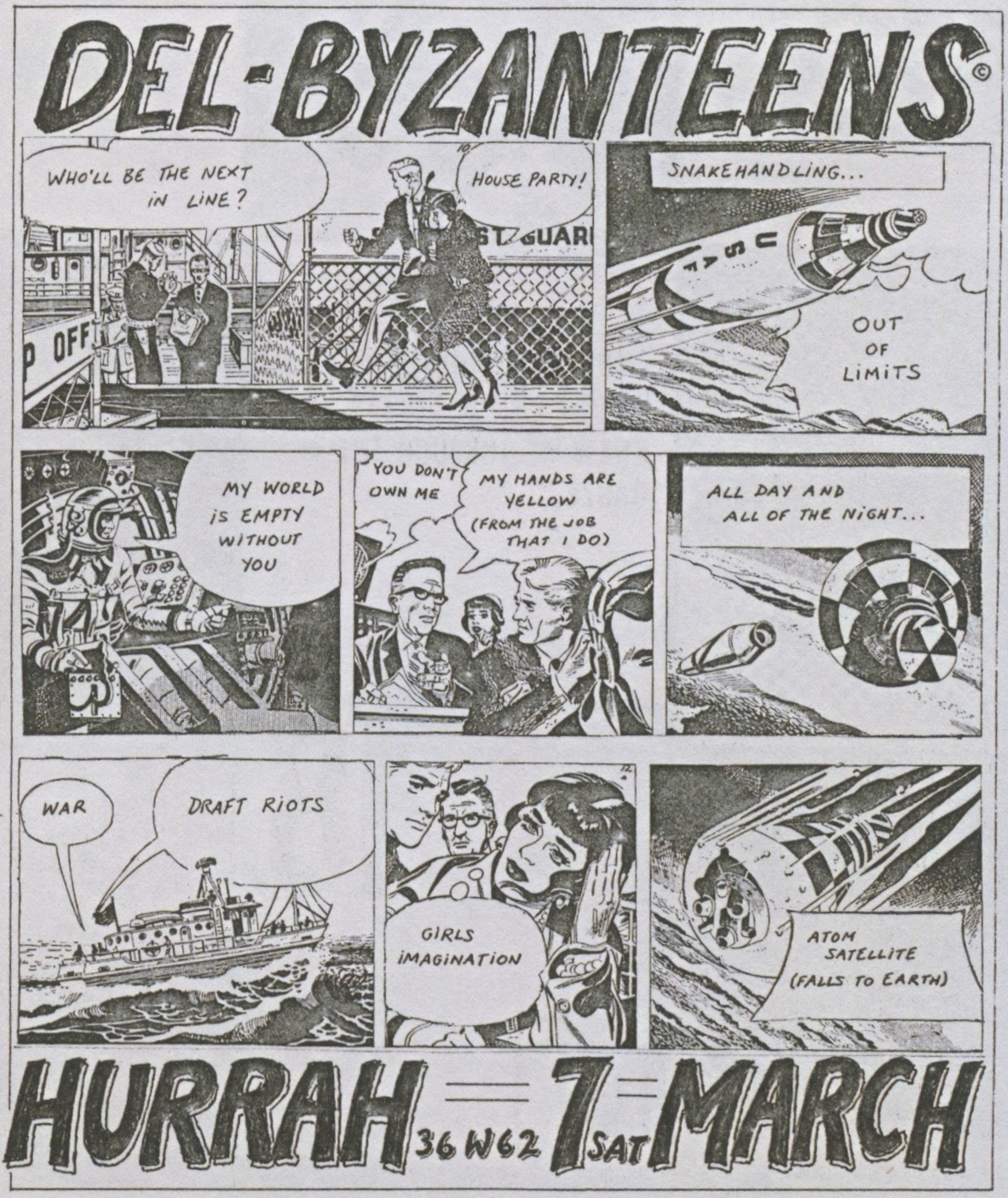
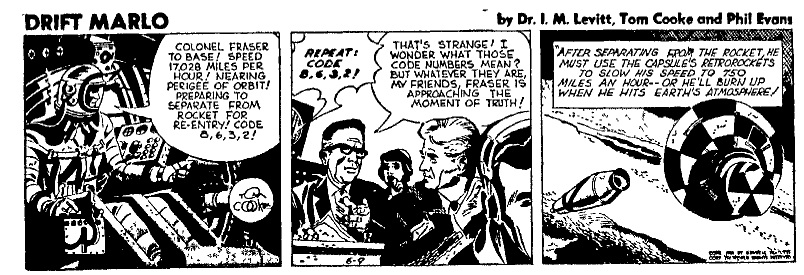
The universe must really want me to tell you about the collage artist born Burgess Franklin Collins, who became known as, simply, Jess. And who am I to deny doing want the universe wants?

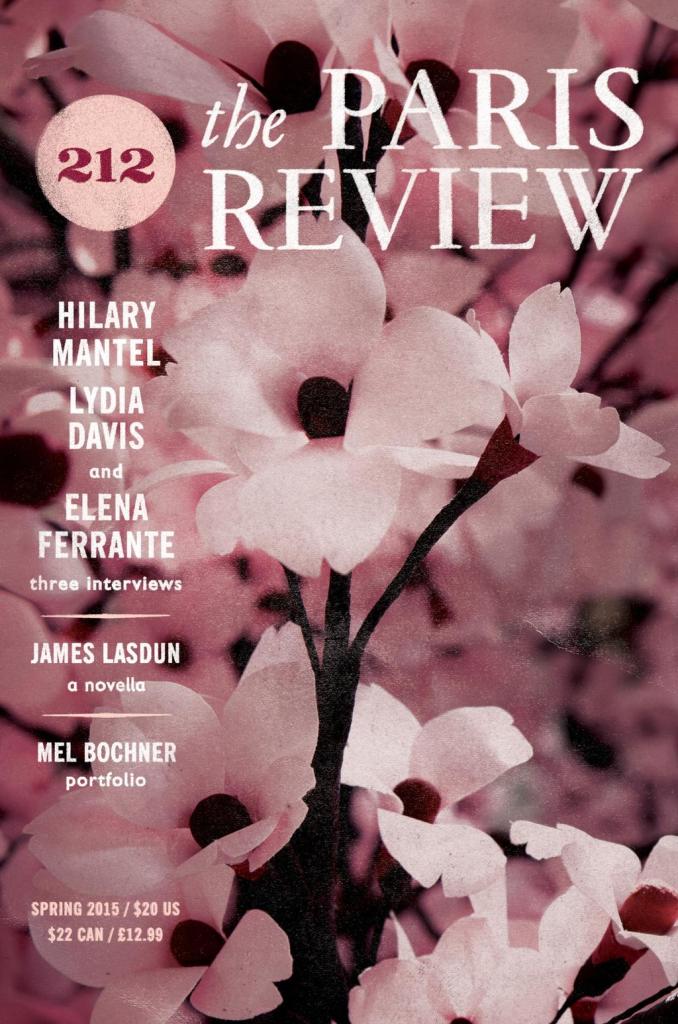
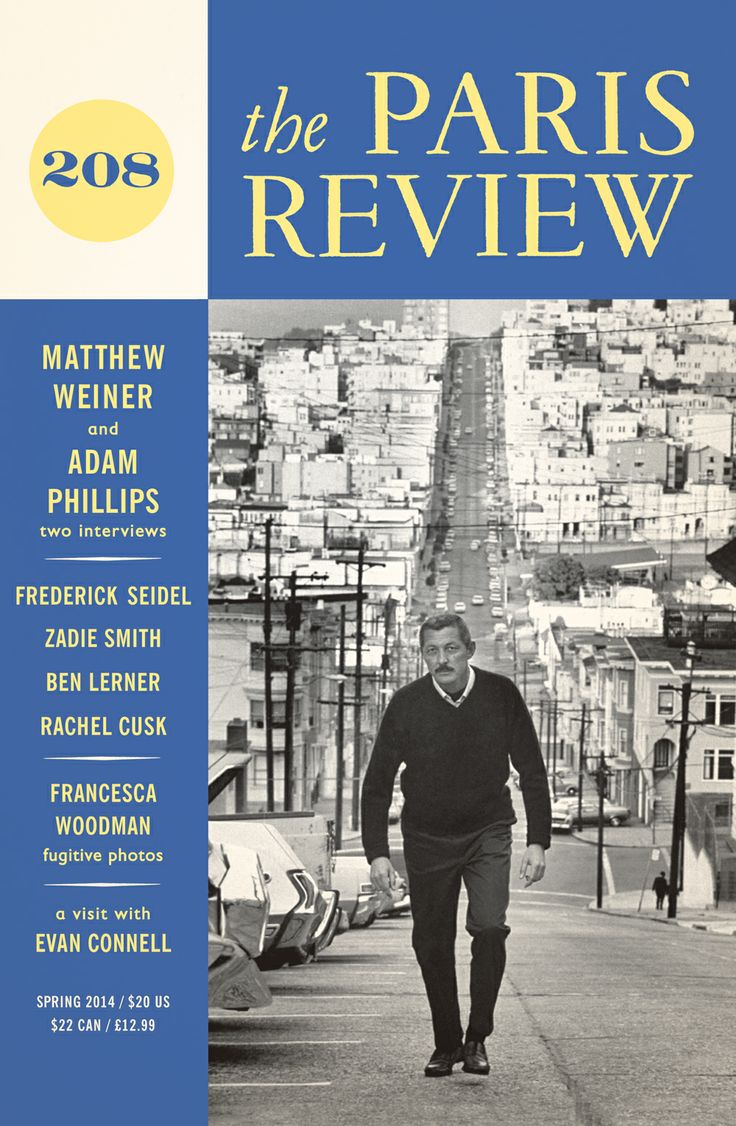
First, while reading the latest issue of the Paris Review, I came across a collage the artist had done in 1956 that made use of comics—and you already know how intrigued I am by collages like that.

Then (I assume because I wasn’t acting quickly enough), up popped a Publishers Weekly review of the book Jess: O! Tricky Cad and Other Jessoterica, which told me more about the former Manhattan Project radiochemist turned artist and informed me that the book’s “publication coincides with the beginning of a traveling exhibition of his work set for 2013 and 2014.”

So I guess I’d better share the image which intrigued me so, or else mentions of Jess will inevitably start creeping into every magazine I read! (more…)

“I find the idea of writing as a professional skill somewhat sickening.”

Posted by: Scott    Tags:  Paris Review, quotes    Posted date:  September 13, 2012  |  1 Comment


Here, from playwright and actor Wallace Shawn, is a sentiment you might find … inconceivable.

When I think about my own case, I don’t think of writing as a professional skill. I think of it as an odd thing that I feel an impulse to do. You eat chocolate because you feel a desire to do it. You don’t develop a technique for doing it. You don’t get better at it. And I don’t want to think of writing as a skill I have that I habitually exercise according to a certain schedule of procedures. If it had to be that, I’d possibly feel that I’d rather not to it. Actually, I find the idea of writing as a professional skill somewhat sickening.

I’m not religious, but wouldn’t a religious person find something sickening about it if he were asked to think of meditation, prayer, or adoration of the universe as professionalized skills for which a method could be codified? I guess I am halfway between saying that writing is too personal, intimate, humiliating, and miniscule to discuss and saying it’s too sacred and vast to discuss. And I don’t like to think of it as a thing I do the same way again and again. Who says one instance of writing has anything in common with another instance?

(from an interview in The Paris Review #201)

45 years ago, Terry Southern predicted 2012

Posted by: Scott    Tags:  Paris Review, Terry Southern    Posted date:  April 10, 2012  |  1 Comment


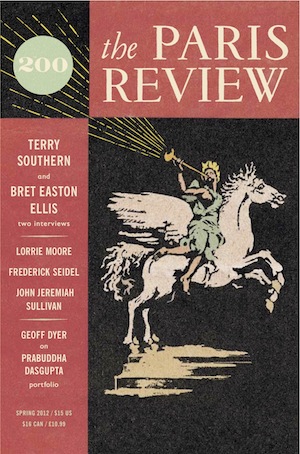
The 200th issue of the Paris Review features an interview with Terry Southern (who, among many other things, wrote the screenplay for Dr. Strangelove) that’s been in the works for 35 years. Southern was interviewed in 1967, but never got around to approving the transcript, and since the magazine allows its interviewees that privilege, it never saw print.

The interview has only recently been discovered, and I find these thoughts of Southern’s prescient:

In five years television screens will be half the size of a movie screen, they’ll occupy a whole wall. And people will just sit there. They’re not going to leave the house except to see something groovy, something that they can’t see at home.

The great future, not for creative writers, but for professional writers, is in television, because pay television is going to come in, and that will take the place of the art movies that exist now, and ordinary television will take the place of what now exists in movies. In twenty years, the movies that compete with TV and pay TV will have to be pretty far out. Otherwise people will simply hang with the tube.

So not only did he foresee the coming age of quality pay television—with Breaking Bad, Mad Men, and the like—but also the massive screens on which we’d watch them all.

Two quotes that (I think) have nothing to do with each other

Posted by: Scott    Tags:  Paris Review, Terry Southern    Posted date:  March 21, 2012  |  No comment


I ran across two intriguing quotes over the past couple of days that have absolutely nothing in common and have no right to be rubbing up against each other like this. But here they are anyway, and make of them what you will.

First, Philip Kennicott, reviewing (well, eviscerating) “The Art of Video Games” exhibition at the Smithsonian American Art Museum for the Washington Post, wrote:

What must a game do to become art? And when will the medium itself begin to look more like the art world than the entertainment industry?

I’d propose some of the following: We’ll know it’s art when old games are as interesting to people as new ones; when particular games play a role in changing the actual world, just as novels such as The Sorrows of Young Werther, Uncle Tom’s Cabin and The Jungle altered ideas of identity and politics; when the best games are richly self-referential to an accepted canon of classic games; and when the contemplation after playing a game is more pleasing than the game itself.

Which to me says more about the fact that the Post should have sent someone else to review the exhibition than it does about the exhibition itself. (more…)

Can you recognize this face?

Posted by: Scott    Tags:  comics, John Ashbery, Paris Review    Posted date:  April 11, 2009  |  No comment


The Spring 2009 issue of The Paris Review includes a series of collages by famed poet John Ashbery. Evidently, he became fascinated by the collage concept during his years as a student at Harvard in the 1940s, and returned to the form in 2008. The magazine prints a dozen recent examples of these, 11 inside, and one on the issue’s cover.

Dan Chiasson, who wrote a brief introductory blurb to explain what we’re about to see, delves into the symbolism of these collages. He says:

“The background elements often depict possible pasts: people on go-carts, a scene in Rotterdam of men in bowlers, and the teetering, top-heavy trucks of the twenties. The foreground elements seem to express elation or relief at having escaped those pasts to make the art he has made and keeps making.”

Symbolism is all well and good, but if you look at the color component of the collage above, you’ll note that Ashbery didn’t just use any foreground element. That man with his hands over his ears was taken from one of the most famous pieces of comic-book art ever published.

Do you recognize him? I may be the only regular reader of The Paris Review who could identify him immediately, but I’m sure that in this venue, I’m not the only one.

You’d think the source would be worth mentioning in any interpretation of the meaning of this collage. I chalk this up to another case of those concerned with supposed “high culture” failing to be aware of supposed “low culture.” Because the origin of that image matters, whether or not The Paris Review or Ashbery scholars acknowledge it.

I could say more about why that particular man is so important, but I don’t want to spoil it for those of you for whom that image doesn’t cause an immediate “I know that face!”

So—a show of hands please. Who out there can recognize that famous face? Many of you, I hope, or else I’ll be severely disappointed.

A simple yes or no will do to start, so you don’t spoil it too quickly for the puzzled.

  • Follow Scott


  • Twitter Updates

  • Latest Photos


  • Search

  • Tags

    Ad Astra anniversary Balticon Brooklyn Bryan Voltaggio comics conventions DC Comics dreams Ethics food George Formby Grant Achatz horror Irene Vartanoff Isaac Asimov Jack Kirby Man v. Food Marie Severin Marvel Comics My Father my writing Nebula Awards Next restaurant obituaries old magazines old newspapers Peru Range Readercon rejection slips San Diego Comic-Con Scarecrow science fiction Science Fiction Age Sharon Moody Spider-Man Stan Lee Superman ukulele Video Worldcon World Fantasy Convention World Horror Convention zombies